
Thermal Mass & Embodied Energy | Sustainable Home Design NZ
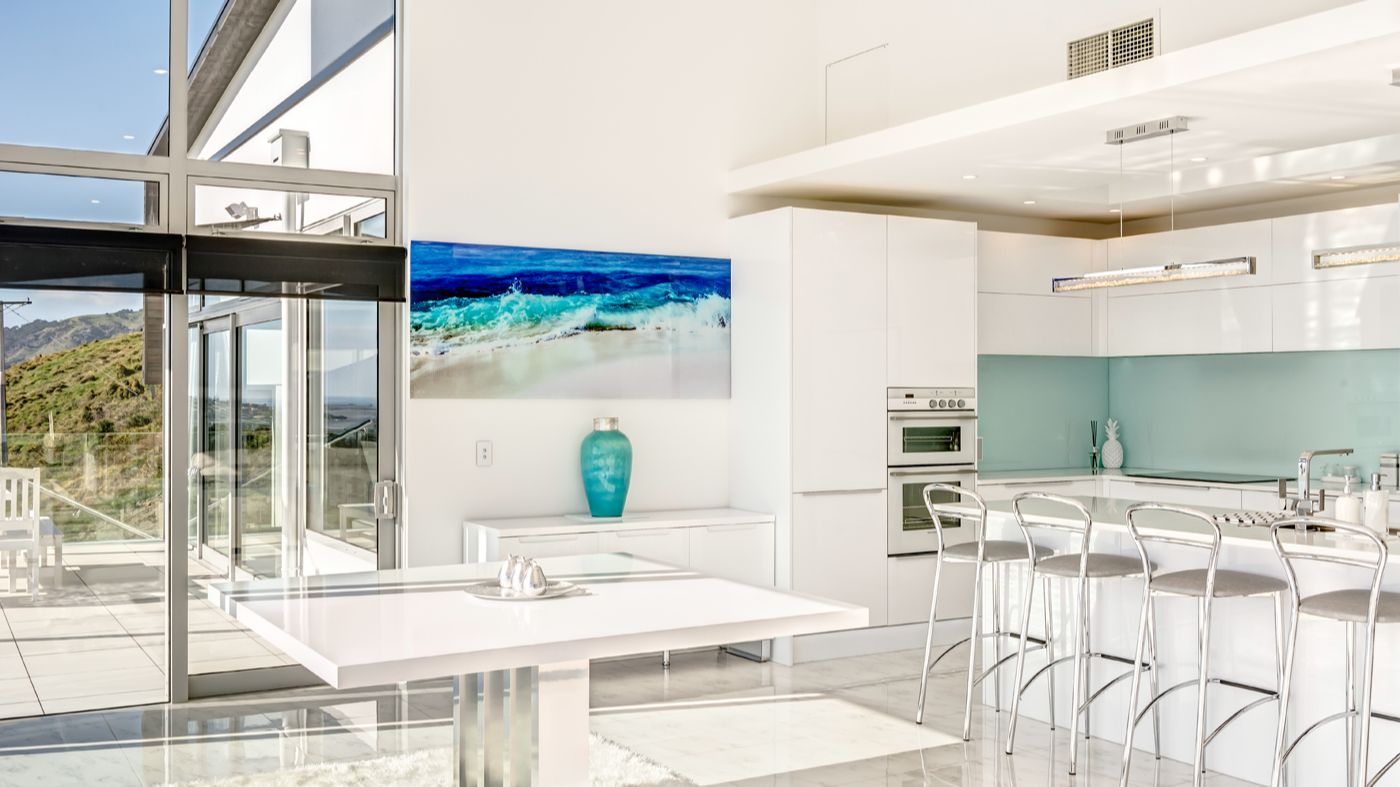
How Thermal Mass Regulates Indoor Temperature: Balancing Comfort and Embodied Energy in Sustainable Home Design
Discover how thoughtful material selection can create a naturally comfortable home while reducing energy consumption and supporting a more sustainable future.
When people think about creating an energy-efficient home, they often focus on insulation, double glazing, heat pumps, or solar panels. While these features are important, one of the most effective ways to improve comfort is often built directly into the structure of the home itself: thermal mass.
At Stephan Meijer Architecture Ltd, we believe great architecture works with nature rather than against it. By understanding how building materials store and release heat—and balancing those choices with their embodied energy—we can design homes that remain comfortable throughout the seasons while reducing long-term energy use.
For homeowners in the Nelson Tasman region, where warm sunny days are often followed by cooler e...
Do You Really Need a Passive House in Nelson Tasman?

Do You Really Need a Passive House in Nelson Tasman?
Why Climate Matters More Than Certification
Passive House has become one of the most recognised standards in sustainable residential construction. Originating in Germany, the Passive House standard aims to create buildings with extremely low heating and cooling demands through exceptional insulation, airtightness and mechanical ventilation.
There is no question that Passive House buildings can perform exceptionally well.
However, an important question often gets overlooked:
Does a certified Passive House make sense in Nelson and Tasman?
The answer is not always.
While many of the principles behind Passive House design are excellent, the climate, lifestyle and economics of the Nelson Tasman region often mean that homeowners can achieve outstanding comfort and energy efficiency without pursuing full Passive House certification.
Understanding Passive House
Passive House is a performance-based building standard.
To achieve cert...
Future-Proof Building: Designing Homes for the Future | Nelson Tasman Architect
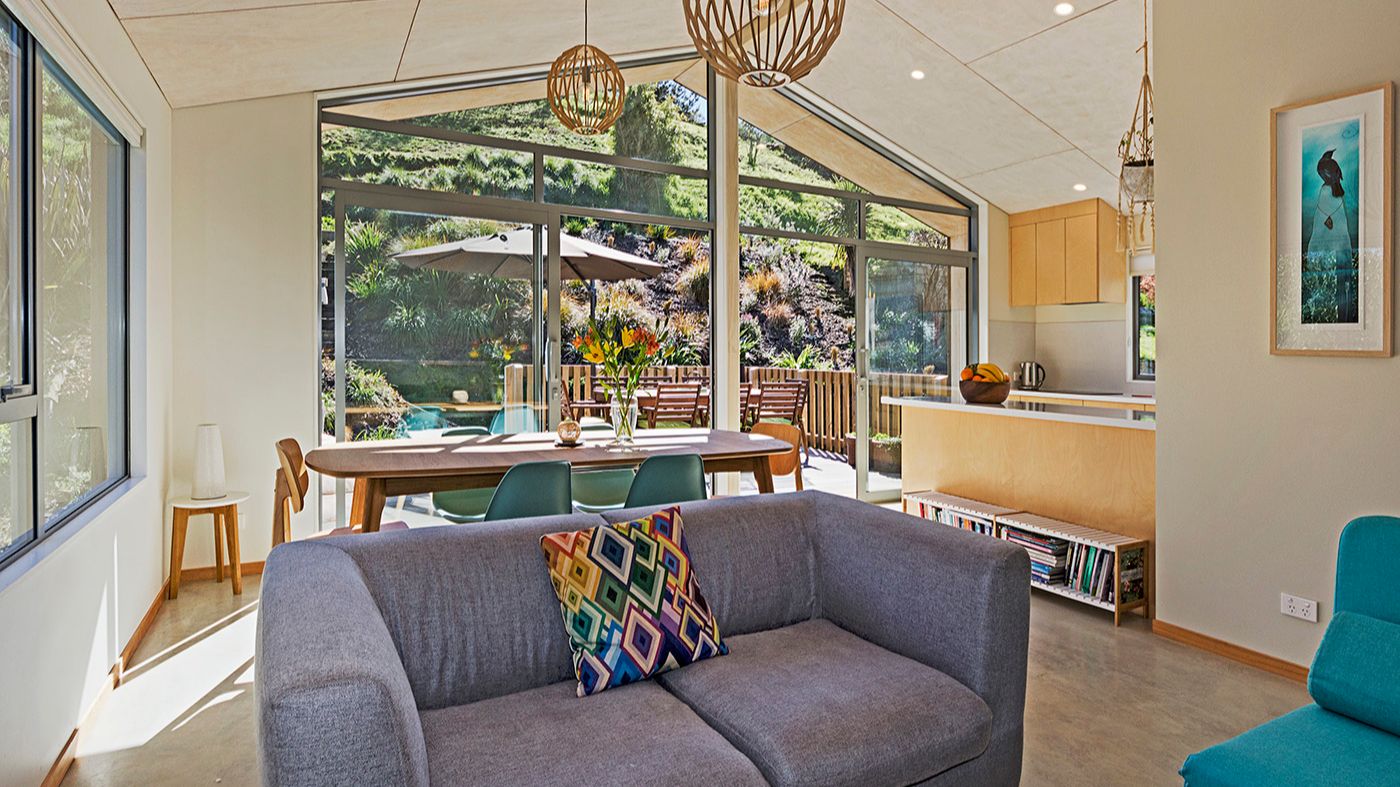
The Benefits of Future-Proof Building: Designing Homes That Stand the Test of Time
Building for Today Is No Longer Enough
For many homeowners, building a new home is one of the largest investments they will ever make. Yet despite this, many homes are still designed only for current needs, without considering how lifestyles, technology, energy costs and environmental conditions may change over the coming decades.
Future-proof building is the process of designing and constructing homes that remain functional, comfortable, efficient and valuable well into the future.
Rather than focusing solely on immediate requirements, future-proof design considers how a home will perform in 10, 20, 50 or even 100 years.
In the Nelson Tasman region, where homeowners increasingly seek sustainable, energy-efficient and adaptable homes, future-proof building has become an important part of responsible architectural design.
What Does Future-Proof Building Mean?
Future-proof building involves making t...
