
Permaculture Zone 0: How to Integrate Permaculture Into Your House Design
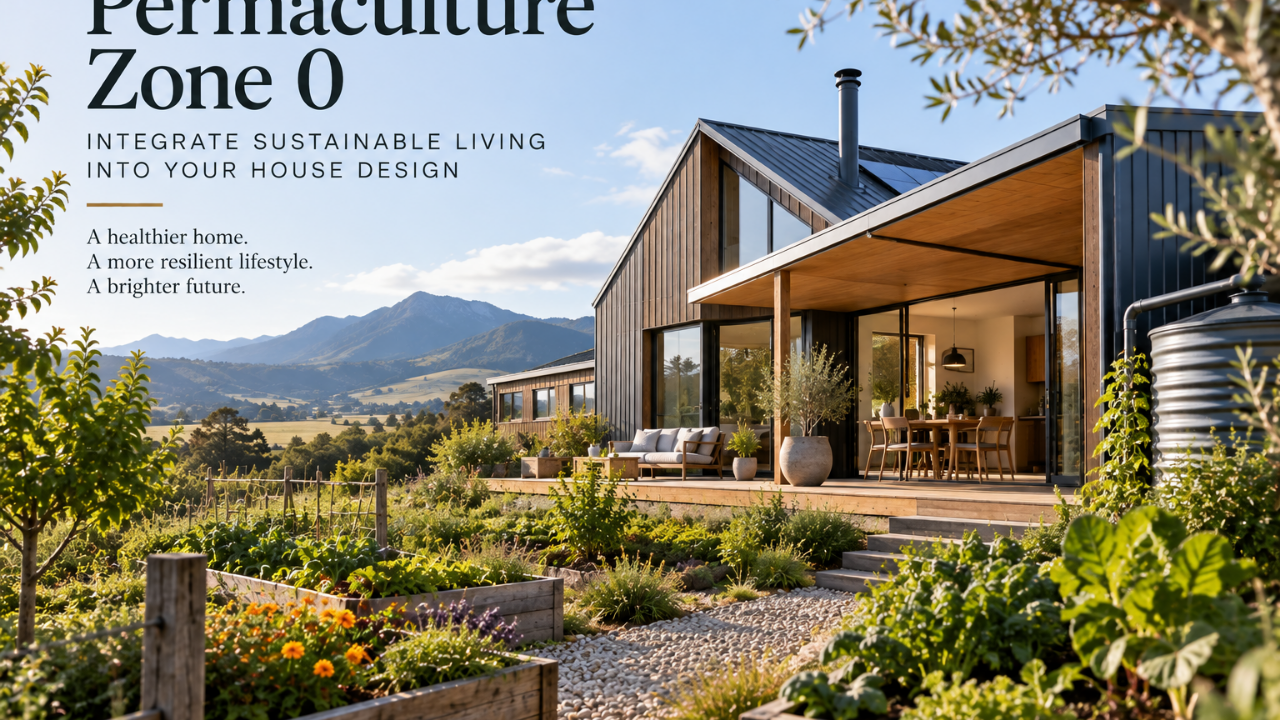
Permaculture Zone 0: How to Integrate Permaculture Into Your House Design
When people think about permaculture, they often picture vegetable gardens, orchards, chickens, composting systems and food forests.
But permaculture doesn't have to start outside the house.
It can start with the house itself.
In permaculture design, the home is commonly described as Zone 0: the centre of everyday activity and the place from which the rest of the property is organised.
This creates an interesting question for anyone designing a new home:
What would happen if we designed the house and the land as one integrated system rather than designing the house first and landscaping around it later?
At Stephan Meijer Architecture, this way of thinking fits naturally with site-responsive architecture, passive solar design and sustainable living.
For rural and lifestyle properties in Nelson and Tasman, in particular, integrating Zone 0 principles early in the architectural design can create homes t...
Enduring Architecture | Designing Timeless Homes in New Zealand
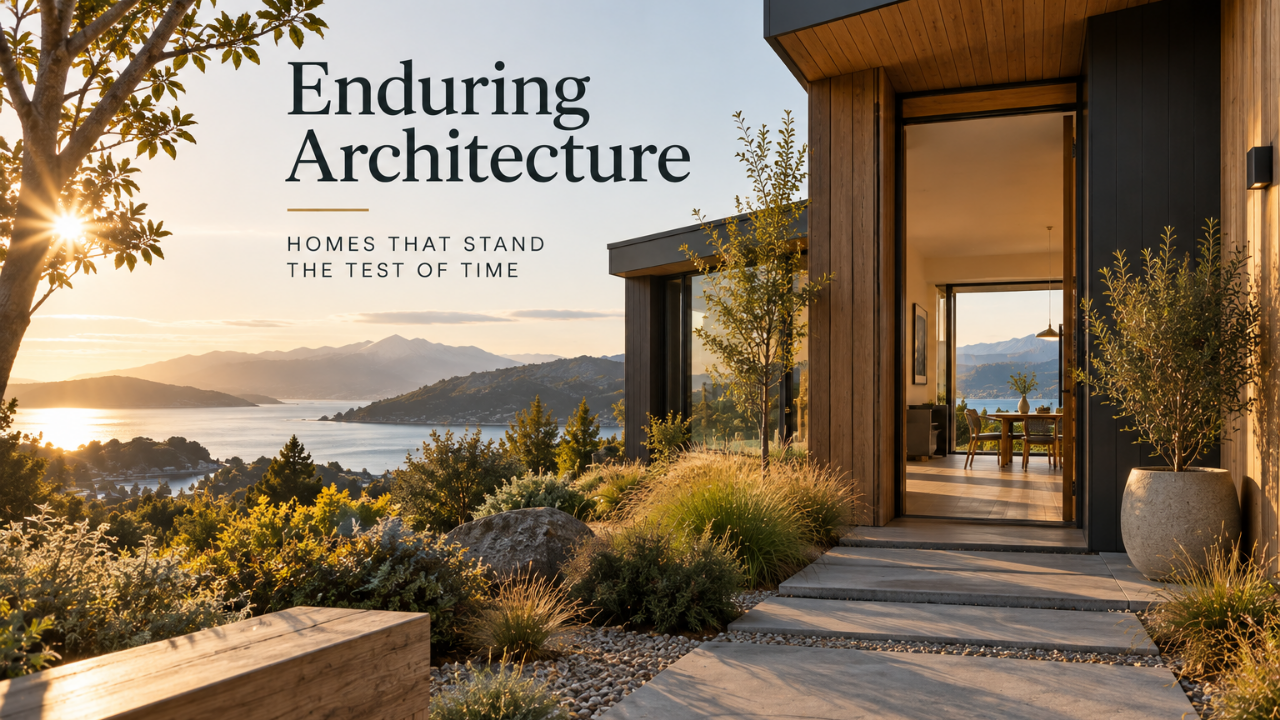
Enduring Architecture: Designing Homes That Stand the Test of Time
Architecture is often judged when a building is new.
The photographs are taken, the landscaping is fresh, the materials are pristine and everything reflects the design trends of the moment.
But perhaps the more important question is:
What will the house be like in 20, 30 or even 50 years?
Will it still function well?
Will the materials have aged gracefully?
Will future owners want to renovate it—or demolish it?
Will it still feel appropriate to its landscape?
At Stephan Meijer Architecture, we believe good architecture should be designed for the long term. An enduring home is not simply one that remains standing. It is a building that continues to provide comfort, beauty and usefulness as lifestyles, technologies and families change.
That is what we mean by enduring architecture.
What Is Enduring Architecture?
Enduring architecture combines several qualities:
-
Timeless design
-
Durable materials
...
Why Windows Matter More Than Extra Insulation | Energy-Efficient Homes NZ
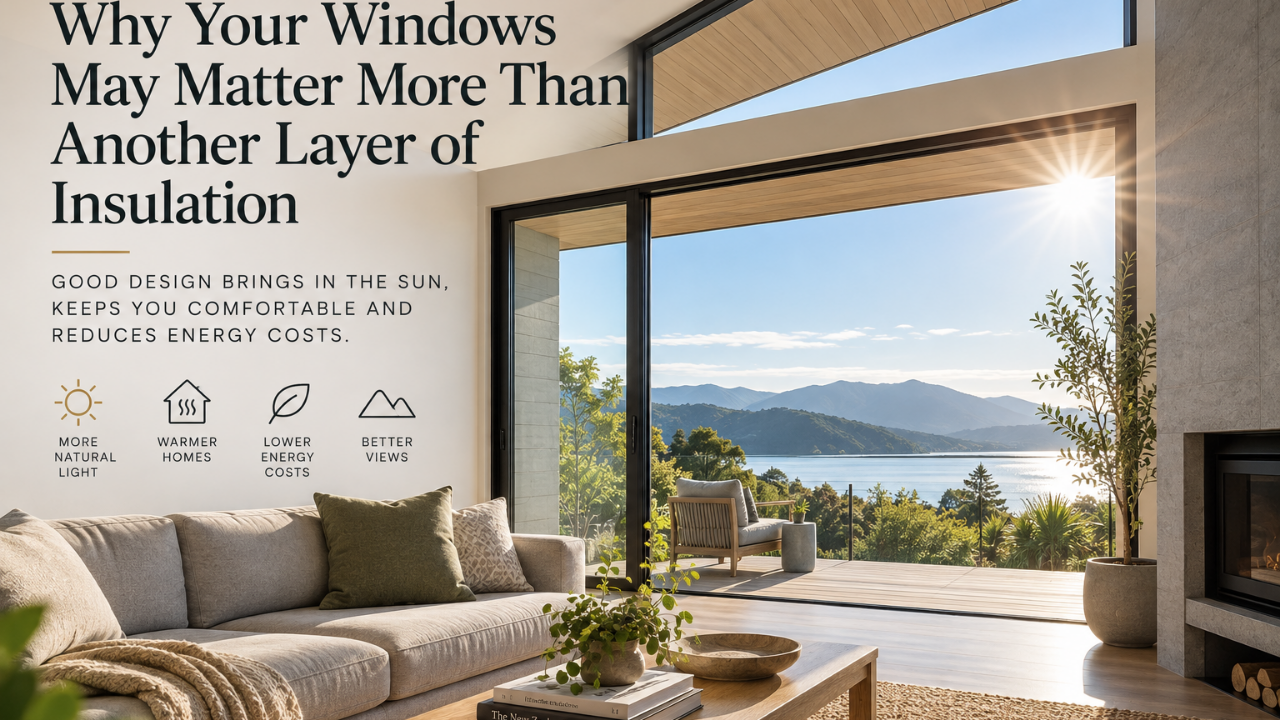
Why Your Windows May Matter More Than Another Layer of Insulation
When people start designing an energy-efficient home, insulation is usually one of the first things they focus on.
More insulation must mean a better-performing house, right?
Up to a point, yes.
But once a home has a reasonably good thermal envelope, adding another layer of insulation may provide less benefit than improving the windows.
Windows can be one of the weakest parts of a home's thermal envelope. At the same time, correctly designed windows can provide free winter heating, natural light, ventilation and a connection with the landscape.
That makes window design one of the most important—and often misunderstood—parts of designing a high-performance home.
At Stephan Meijer Architecture, we don't look at windows simply as openings in walls. Their size, orientation, location, frame and glazing all form part of the home's overall energy strategy.
Your Walls and Windows Perform Very Differently
A modern ins...
How Much House Are You Paying for Just to Walk Through? | Smarter Home Design NZ
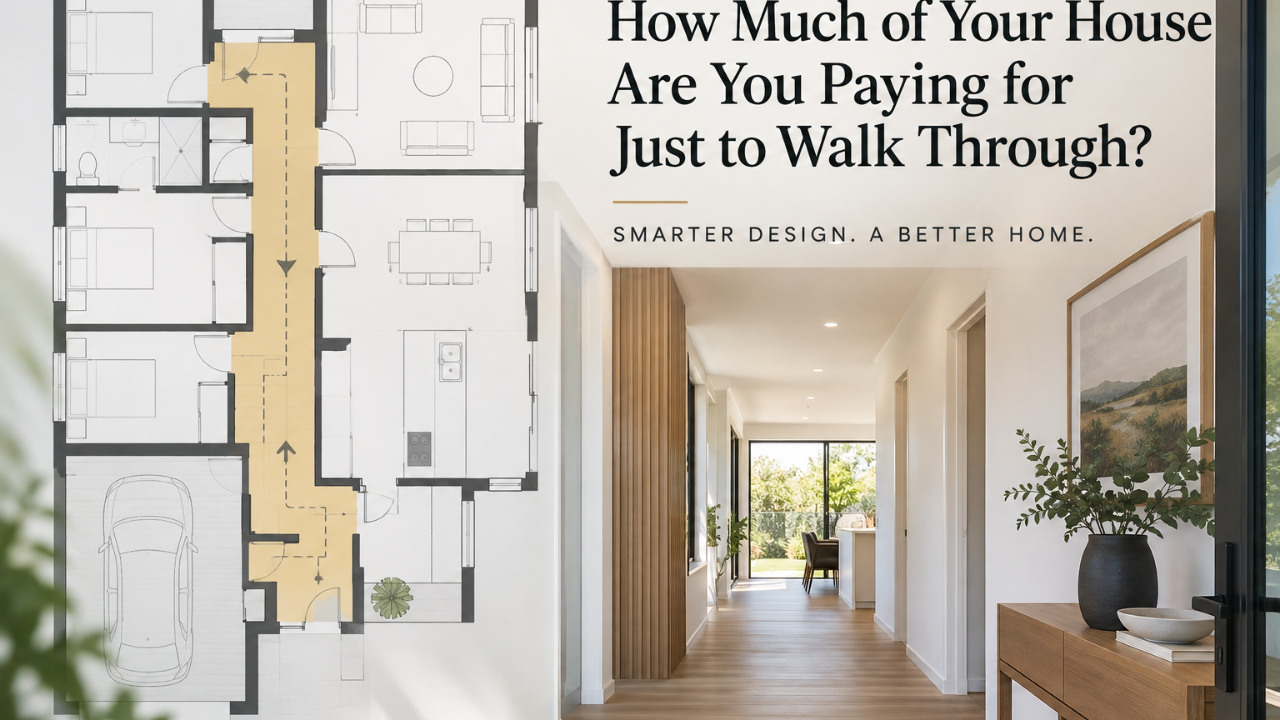
How Much of Your House Are You Paying for Just to Walk Through?
When people are trying to reduce the cost of a new home, they usually start looking at cheaper materials, smaller windows, less expensive appliances or simpler finishes.
But there may be a much bigger saving hiding in your floor plan.
How many square metres of your new house are you building simply to walk from one room to another?
Hallways, corridors, oversized entrance areas and poorly planned circulation can consume a surprising amount of floor area. And every one of those square metres costs almost as much to build as the rooms you actually use.
At Stephan Meijer Architecture, one of the first things we look at when designing a cost-effective home is not how cheaply we can build each square metre, but how many square metres we actually need to build in the first place.
A Hallway Isn't Free
Imagine your proposed house contains 20m² of hallways and circulation space.
Those 20m² still require:
-
Foundati
...
The 80% Rule: Why Most Building Costs Are Determined Before Construction Starts
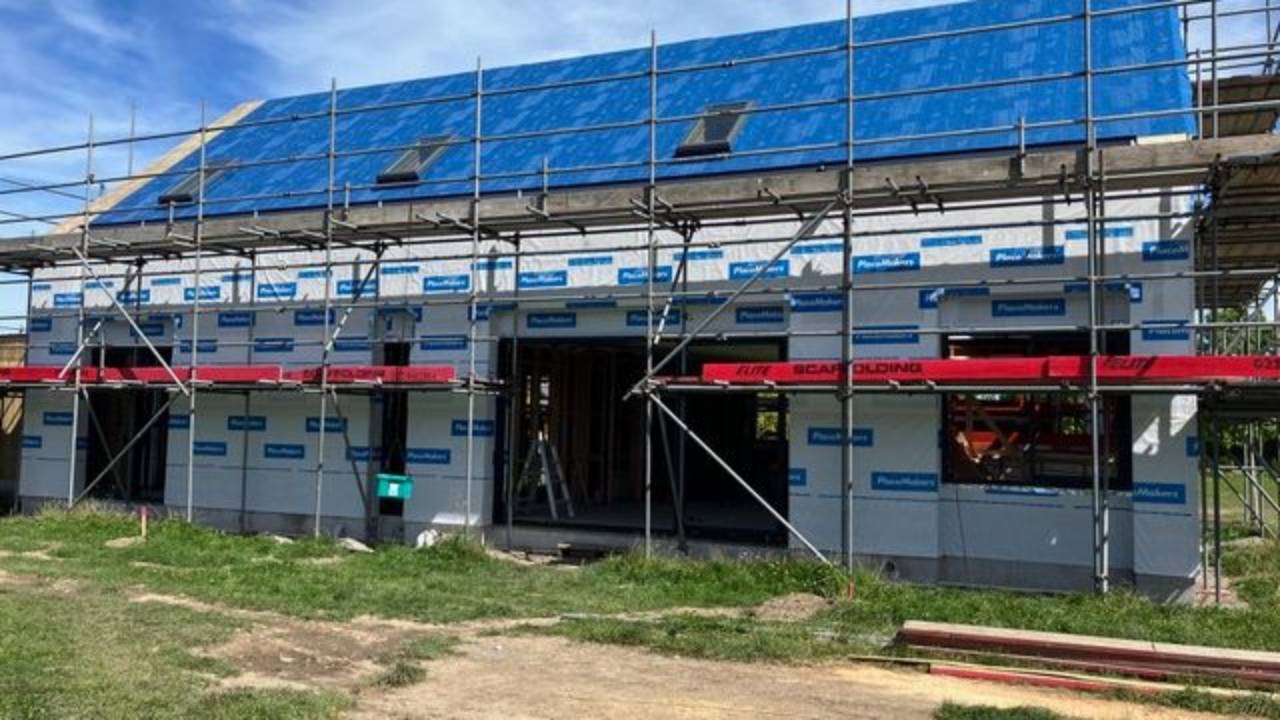
One of the biggest misconceptions about building a new home is that construction costs are controlled by the builder.
By the time the builder starts construction, however, many of the decisions that determine the cost of your house have already been made.
The size of the house has been decided.
The foundations have been designed.
The structural spans have been established.
The roof shape exists.
The windows have been selected and positioned.
The bathrooms and kitchen are located.
The house has been positioned on the site.
In other words, a very large proportion of your eventual building cost is determined during design—not during construction.
I sometimes describe this as the 80% Rule.
It isn't intended as a precise accounting formula. The point is that the greatest opportunity to influence the final cost of a building occurs surprisingly early in the project.
And this has an important consequence:
If you want to control your building budget, don't wait for the builder's q...
Why Two 200m² Houses Can Cost $200,000 Apart
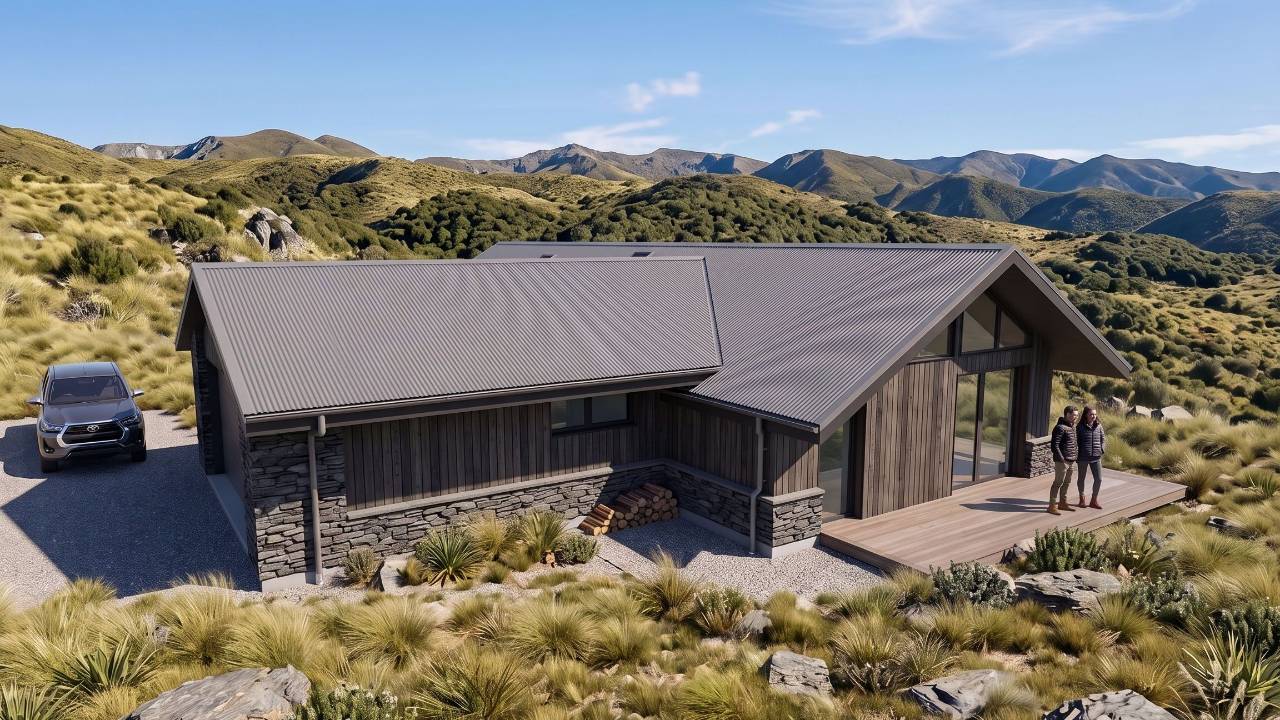
Why Two 200m² Houses Can Cost $200,000 Apart
Two houses are both 200m².
They have the same number of bedrooms, similar bathrooms, a double garage and comparable interior finishes.
Yet one costs $850,000 to build and the other costs more than $1 million.
How can that be?
When people start planning a new home in New Zealand, one of the first questions they often ask is:
“What is the building cost per square metre?”
It sounds like a sensible question. Unfortunately, it can also be very misleading.
After many years designing houses, I have found that the number of square metres is only one part of what determines the final building cost.
The geometry of the house, roof design, structural spans, foundations, glazing, site conditions and even where you position the house on the section can have an enormous effect on cost.
This is also why good architectural design can potentially save considerably more than simply choosing cheaper finishes later.
Let's look at why.
1. A Square Me...
10 Features Every New Zealand Home Will Need by 2035
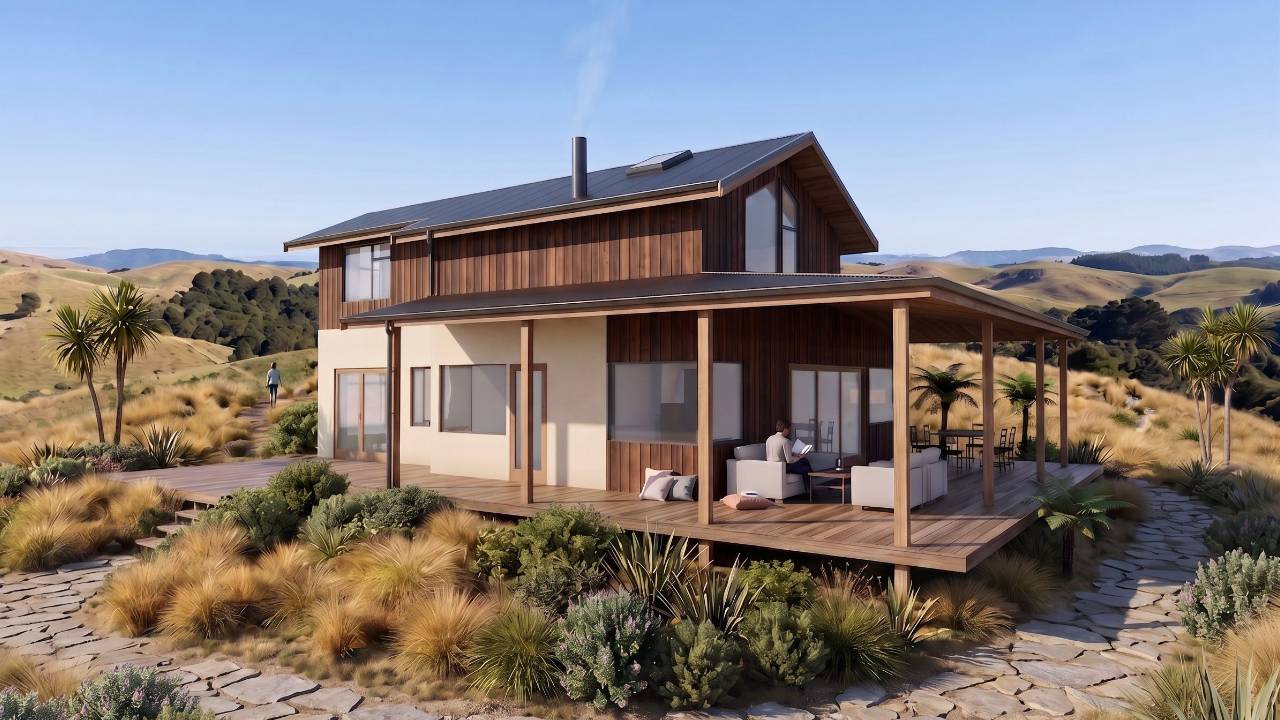
10 Features Every New Zealand Home Will Need by 2035
A house designed today could still be standing in 80 or even 100 years.
So when planning a new home, it makes little sense to design only for the way we live today.
By 2035, New Zealand homes will be dealing with higher energy demands, changing weather patterns, increasing construction costs, more electric vehicles and changing family structures. At the same time, technology will allow houses to become far more efficient in the way they use and generate energy.
The interesting thing is that the future of house design isn't necessarily about complicated technology.
Many of the most important improvements come from getting the architecture right in the first place.
Orientation, insulation, shading, ventilation, flexibility and efficient use of space can often have a greater impact than expensive technology added later.
Here are 10 features we believe will become increasingly important in New Zealand homes by 2035.
1. Passi...
Rafter Roofs vs Truss Roofs | Smarter NZ Home Design
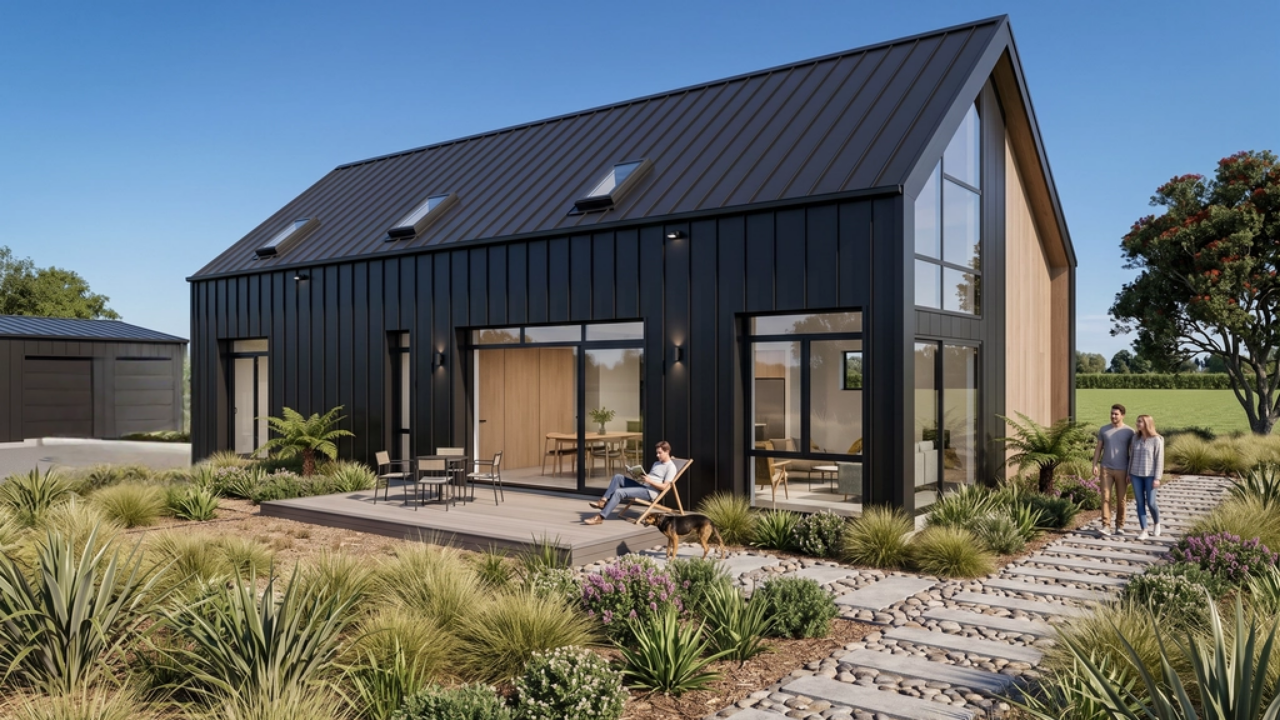
Why Rafter Roofs Make Better Use of Expensive Building Land in New Zealand.
Are We Wasting Some of the Most Valuable Space in Our Homes?
Land in New Zealand is expensive.
In places such as Nelson, Richmond, Mapua, Motueka and the wider Tasman region, residential sections have become increasingly valuable. At the same time, construction costs mean homeowners need to think carefully about how they use every square metre of their new home.
Yet there is one surprisingly large area that is often overlooked:
The roof.
Many New Zealand houses are constructed using prefabricated timber roof trusses. They are economical, familiar to builders and structurally efficient.
But from an architectural point of view, conventional roof trusses have one significant disadvantage:
They can turn a potentially valuable part of the house into unusable space.
A carefully designed rafter roof, on the other hand, can allow the volume beneath the roof to become bedrooms, offices, storage, bathrooms or...
The Benefits of Building a 1.5 Storey Home in New Zealand | Smart House Design
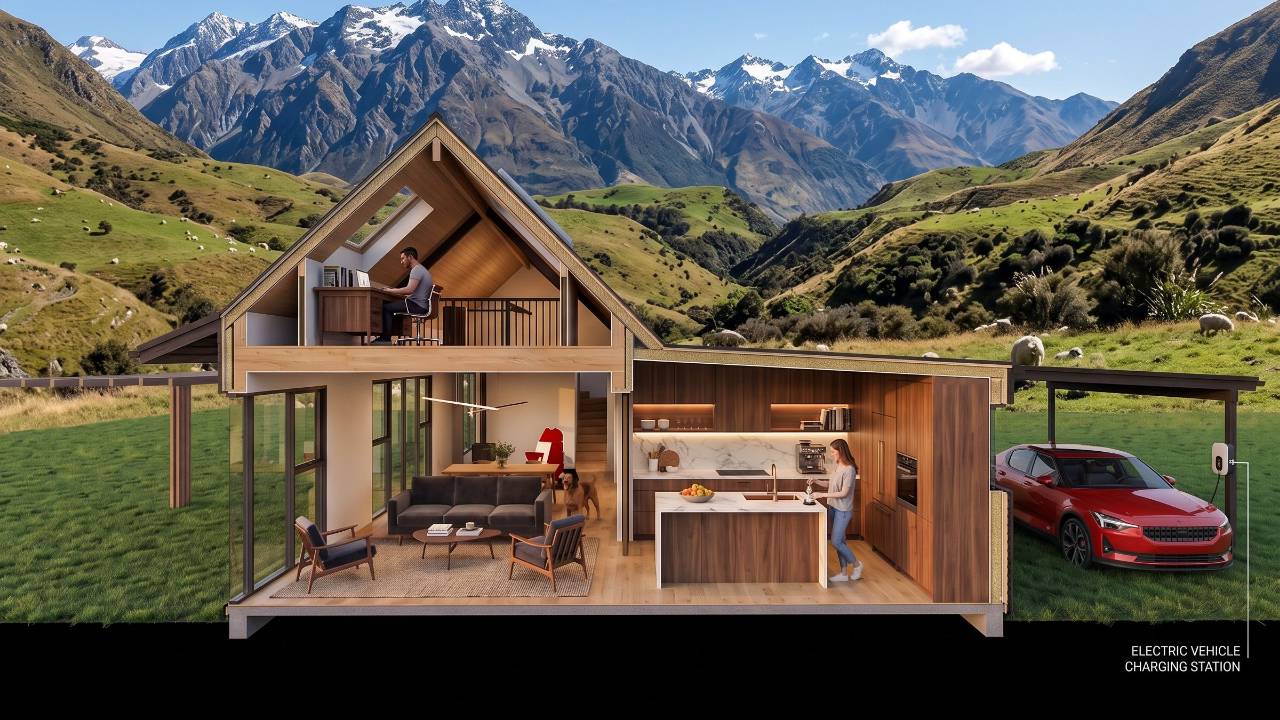
Why a 1.5 Storey Home Could Be the Smartest House You Build in New Zealand
For many New Zealand homeowners, choosing between a single-storey or a two-storey home can feel like a difficult decision.
A single-level home offers convenience and accessibility, while a two-storey home can maximise views and reduce the building footprint.
Fortunately, there is another option that combines the best of both worlds—the 1.5 storey home.
At Stephan Meijer Architecture, we often recommend a 1.5 storey design because it offers outstanding value, greater flexibility and often lower construction costs while creating beautiful modern homes that respond perfectly to New Zealand sites.
What Is a 1.5 Storey Home?
A 1.5 storey home typically consists of a full ground floor with a smaller upper level.
Instead of having a complete second floor, only part of the home extends upwards.
Commonly the upper level contains:
- Master bedroom
- Children's bedrooms
- Guest bedroom
- Office
- Second living room ...
Why Building a New Home During a Slow Housing Market Makes Financial Sense
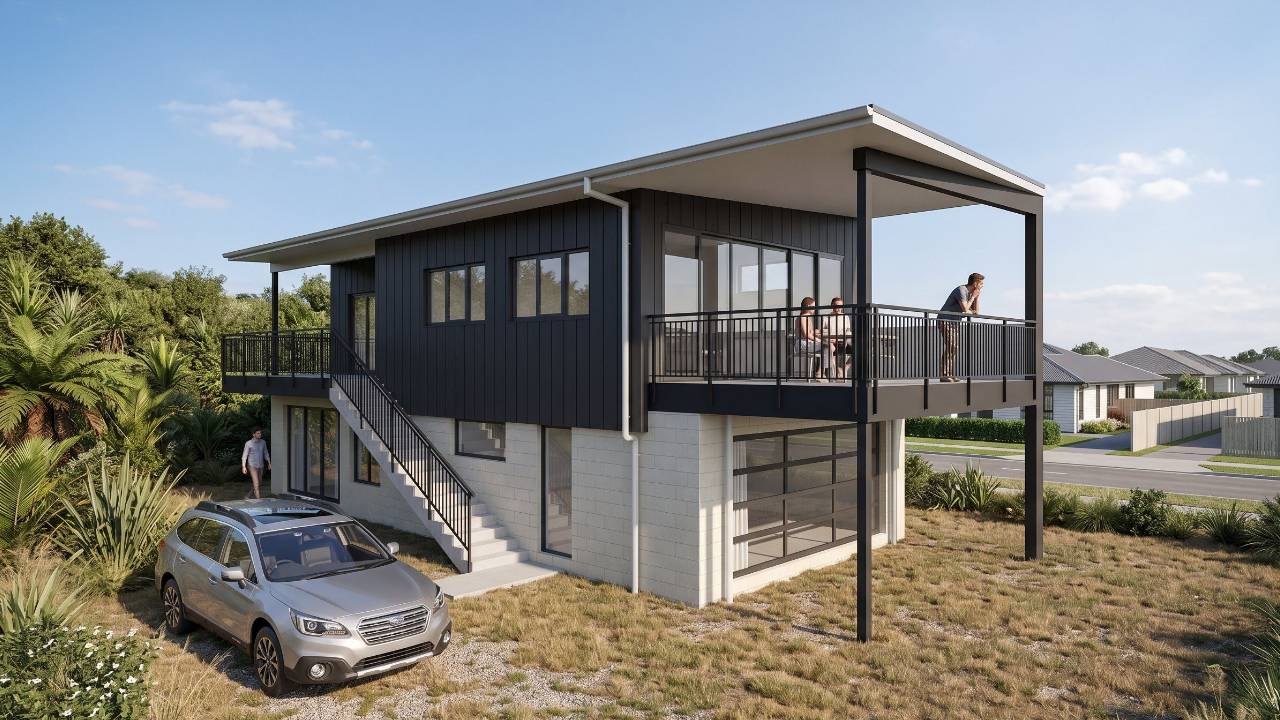
Why Building a New Home Can Be More Profitable When the Housing Market Is Slow
When headlines report a slowing housing market, many people postpone their dream of building a new home. They assume waiting for "better times" is the safest financial decision.
Ironically, the opposite is often true.
A slower housing market can create one of the best opportunities to build a new home. Construction costs become more competitive, trades are more readily available, and you have greater negotiating power throughout the project.
At Stephan Meijer Architecture, we've seen many homeowners achieve better outcomes by building during quieter market conditions rather than competing during a construction boom.
Here's why.
Less Competition Means Better Prices
When the property market is booming, builders are often booked months in advance.
High demand usually leads to:
-
Higher labour costs
-
Longer construction delays
-
Increased material prices
-
Limited availability of qual
...
