
Why Building a New Home During a Slow Housing Market Makes Financial Sense
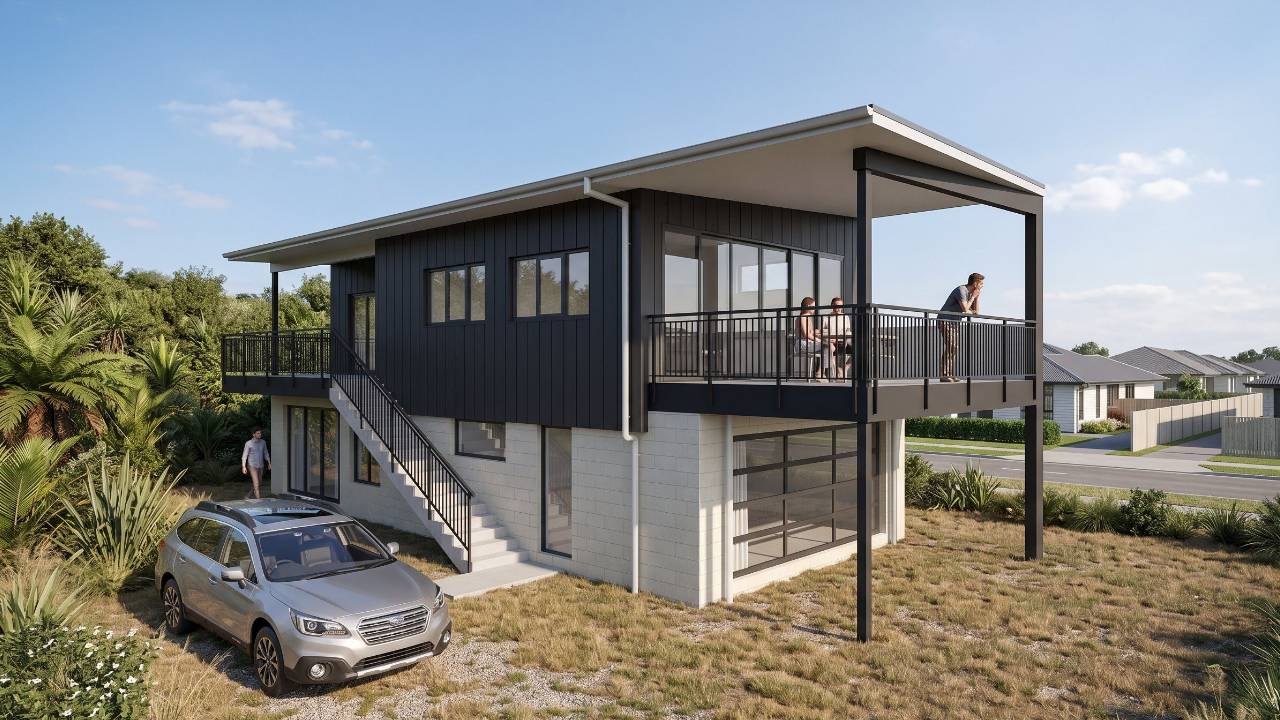
Why Building a New Home Can Be More Profitable When the Housing Market Is Slow
When headlines report a slowing housing market, many people postpone their dream of building a new home. They assume waiting for "better times" is the safest financial decision.
Ironically, the opposite is often true.
A slower housing market can create one of the best opportunities to build a new home. Construction costs become more competitive, trades are more readily available, and you have greater negotiating power throughout the project.
At Stephan Meijer Architecture, we've seen many homeowners achieve better outcomes by building during quieter market conditions rather than competing during a construction boom.
Here's why.
Less Competition Means Better Prices
When the property market is booming, builders are often booked months in advance.
High demand usually leads to:
-
Higher labour costs
-
Longer construction delays
-
Increased material prices
-
Limited availability of quality subcontractors
-
Less flexibility from suppliers
When demand slows, builders compete more actively for projects.
This often results in:
-
More competitive quotes
-
Better value for money
-
Greater willingness to work within your budget
-
Faster project start dates
-
Higher levels of communication and service
For many homeowners, these savings alone can amount to tens of thousands of dollars.
Builders Have More Time to Focus on Quality
During busy construction periods, builders often juggle multiple projects simultaneously.
When workloads reduce, builders can dedicate more attention to each project.
The benefits include:
-
Improved workmanship
-
Better project management
-
Faster response times
-
Reduced delays
-
Greater attention to detail
Choosing the right builder becomes even more valuable when they have the capacity to focus on delivering an exceptional home.
Material Prices Can Become More Competitive
Construction suppliers also respond to market conditions.
During slower periods they may:
-
Offer promotional pricing
-
Negotiate discounts
-
Reduce lead times
-
Improve delivery schedules
-
Hold more stock
This provides greater certainty when selecting finishes and materials.
By working closely with your architect, you can take advantage of these opportunities while maintaining quality.
More Time to Design the Home Properly
One of the biggest advantages of a slower market is having time.
Instead of rushing decisions because builders are unavailable or material prices are rapidly increasing, you can invest more time in creating a home that truly suits your lifestyle.
Good design focuses on:
-
Passive solar orientation
-
Energy efficiency
-
Functional layouts
-
Future flexibility
-
Site optimisation
-
Construction efficiency
These decisions continue delivering value for decades after construction is complete.
Interest Rates Often Stabilise
Housing markets frequently slow because interest rates have increased.
While higher borrowing costs may appear discouraging, they often create opportunities elsewhere.
Reduced competition generally offsets some financing costs through:
-
Lower construction prices
-
Better builder availability
-
Improved supplier pricing
-
Reduced escalation during construction
When interest rates eventually decline, homeowners who built during quieter periods often benefit from increased property values while already living in their completed home.
Build Costs Don't Always Fall—But Competition Increases
Many people wait because they expect construction costs to collapse.
In reality, labour and material costs rarely decrease significantly.
Instead, what changes is the level of competition.
Builders become more willing to:
-
Sharpen pricing
-
Suggest cost-saving alternatives
-
Value engineer the project
-
Work collaboratively
-
Secure future work
These factors can produce substantial overall savings.
A Well-Designed Home Performs Better Financially
Building isn't simply about spending money.
It's about creating an asset that performs well over many years.
An experienced architect can reduce unnecessary costs by designing:
-
Simpler roof forms
-
Efficient structural layouts
-
Compact circulation spaces
-
Cost-effective foundations
-
Standardised construction details
-
Appropriate window sizes
-
Efficient material selections
Every design decision influences construction costs, maintenance, comfort and resale value.
You'll Be Ready When the Property Market Recovers
Property markets move in cycles.
If you begin planning while the market is quiet, your home may be completed just as confidence returns.
That means you could benefit from:
-
Increased equity
-
Higher resale values
-
Lower competition during construction
-
Better purchasing decisions made months earlier
Rather than waiting for everyone else to build again, you position yourself ahead of the next cycle.
Good Architecture Creates Long-Term Value
The true financial return from a new home isn't measured only by what it costs to build.
It's measured by:
-
Lower running costs
-
Reduced maintenance
-
Better energy efficiency
-
Increased comfort
-
Higher resale appeal
-
Adaptability for future family needs
A thoughtfully designed home continues generating value every day you own it.
Why Work With Stephan Meijer Architecture?
At Stephan Meijer Architecture, we help homeowners throughout Nelson, Richmond, Motueka, Mapua, Tasman and the wider Nelson region design homes that maximise value while carefully managing construction costs.
Our approach combines:
-
Intelligent, site-responsive design
-
Passive solar principles
-
Practical cost management
-
Efficient planning and documentation
-
Local knowledge of builders and councils
-
Homes designed for long-term performance and comfort
Whether you're building on a lifestyle block, a rural site or an urban section, we focus on creating homes that provide lasting financial and lifestyle value.
Final Thoughts
A slow housing market shouldn't necessarily delay your building plans.
In many cases, it provides the perfect opportunity to secure better pricing, work with high-quality builders, and invest in a home that delivers exceptional long-term value.
The key isn't simply building when the market is quiet—it's building wisely.
With thoughtful planning, experienced architectural design and careful cost management, you can create a home that performs financially long after construction is complete.
If you're considering building in the Nelson or Tasman region, now could be the ideal time to start planning.
Frequently Asked Questions
Is it cheaper to build a house during a slow market?
Often, yes. While material costs may not fall dramatically, builders and suppliers are typically more competitive, creating opportunities to reduce overall project costs.
Should I wait until the property market improves before building?
Not necessarily. Building during a slower market can position you ahead of the next property cycle, allowing you to enjoy your new home sooner while potentially benefiting from future capital growth.
How does an architect save money on a new build?
An experienced architect reduces unnecessary costs through efficient layouts, simpler structural solutions, passive solar design, practical material selection and detailed planning that minimises costly changes during construction.
Is building a new home a good long-term investment?
A well-designed home generally offers lower maintenance, improved energy efficiency, better comfort and stronger resale appeal, making it a sound long-term investment.
