
Why Site Selection Matters More Than Ever for Building in New Zealand
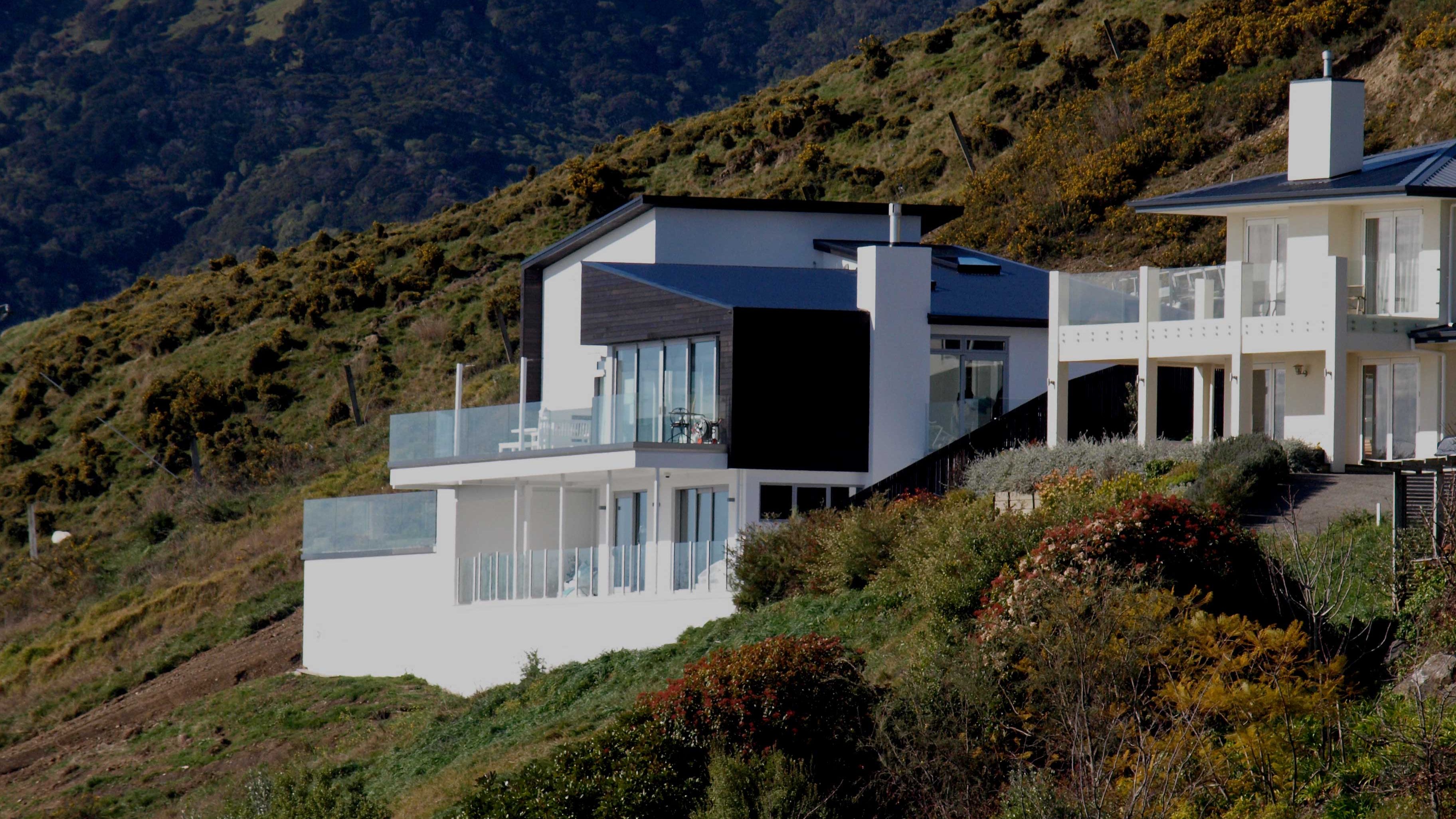
Why Site Selection Is Becoming One of the Most Important Decisions in New Zealand Architecture
For many people, buying land feels exciting.
The views look incredible. The location feels right. The real estate photos are convincing.
But in New Zealand, one of the biggest mistakes homeowners can make is choosing a site before fully understanding its opportunities — and its constraints.
In 2026, site selection is becoming one of the most important topics in residential architecture. Rising construction costs, stricter council regulations, climate-related risks, and increasingly complex land conditions are forcing homeowners to think far more carefully before purchasing property.
A beautiful site can create extraordinary architecture.
But the wrong site can quietly add hundreds of thousands of dollars in unnecessary construction costs and limitations.
Not All Sections Are Equal
At first glance, two sites may appear similar in size and value.
In reality, the cost and complexity of building on each site can be completely different.
Factors that heavily influence design and construction costs include:
- Slope and topography
- Access difficulties
- Ground conditions
- Flood risk
- Wind exposure
- Orientation to the sun
- Retaining requirements
- Easements and legal restrictions
- Infrastructure availability
- Council zoning rules
In regions like Nelson and Tasman, steep sites and coastal locations can create incredible architectural opportunities — but they also require careful planning and technical understanding from the beginning.
Many homeowners only discover these issues after purchasing land.
By that stage, options can become limited and expensive.
Why Orientation Matters More Than Ever
One of the most overlooked aspects of site selection is solar orientation.
A well-oriented site can dramatically improve:
- Natural heating in winter
- Indoor comfort
- Energy efficiency
- Outdoor usability
- Natural lighting quality
- Long-term running costs
Good architecture begins with understanding how sunlight moves across a site throughout the day and across different seasons.
In New Zealand, north-facing orientation remains one of the most valuable qualities for residential design because it allows homes to maximise passive solar gain during winter.
Poorly oriented sites often require significantly more heating, artificial lighting, and design compromise to achieve the same level of comfort.
As energy costs continue to rise, orientation is becoming increasingly important in long-term home performance.
Climate Risk Is Changing Property Decisions
Climate resilience is now playing a much larger role in architectural planning across New Zealand.
Flooding, coastal erosion, stormwater management, and overheating risks are becoming central considerations when evaluating land.
Many councils are introducing stricter planning requirements around:
- Flood hazard areas
- Coastal setbacks
- Stormwater management
- Land stability
- Natural hazard overlays
These regulations are likely to become even more significant in the coming years.
For homeowners, this means site due diligence is no longer optional. Understanding the long-term risks and constraints of a property before purchase can prevent major future problems.
The Most Expensive Mistake Is Often Made Before Design Begins
People often assume architecture starts with floor plans.
In reality, some of the most important architectural decisions happen before design even begins.
A well-chosen site can:
- Reduce earthworks costs
- Simplify construction
- Improve energy efficiency
- Increase privacy
- Capture better views
- Create stronger indoor-outdoor flow
- Reduce long-term maintenance issues
A poorly chosen site can create constant compromise.
This is why more homeowners are now seeking architectural advice before purchasing land rather than afterwards.
A relatively small investment in professional site assessment can potentially save enormous amounts of money and stress later in the process.
Architecture Should Respond to the Land
The best New Zealand homes are not imposed on the landscape.
They respond to it.
Steep sites may inspire split-level living and dramatic framed views. Sheltered sites may allow private courtyards and outdoor rooms. Rural sites may create opportunities for long horizontal forms that connect with the surrounding landscape.
Every site contains opportunities if approached thoughtfully.
Good architecture is about understanding how to unlock those opportunities while carefully managing constraints.
Designing Smarter From the Beginning
As residential design becomes more complex in New Zealand, homeowners are increasingly realising the value of early planning and site analysis.
The earlier potential challenges are identified, the more flexibility exists to create better outcomes — both financially and architecturally.
The goal is not simply to build a house.
It is to create a home that feels comfortable, connected to its environment, and capable of performing beautifully for decades into the future.
Considering Buying Land or Designing a Home?
At Stephan Meijer Architecture Ltd, we work with homeowners throughout the Nelson/Tasman region to assess sites, explore design opportunities, and create homes that respond carefully to both people and place.
Whether you are purchasing land, planning a renovation, or considering a new build, early architectural advice can help you avoid costly mistakes and unlock the full potential of your property.
We would be happy to discuss your project and help guide the next steps.
