
Why Site-Appropriate Design Creates Better Homes in New Zealand
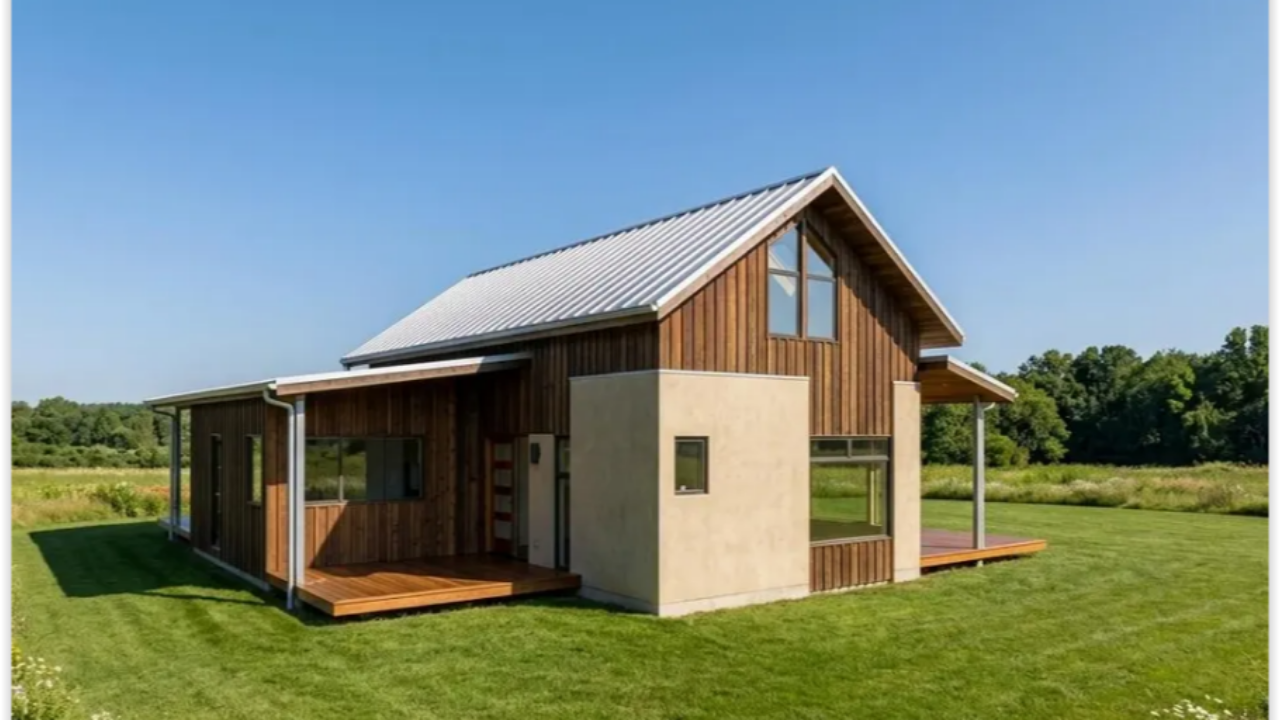
Why Site-Appropriate Design Creates Better Homes in New Zealand
Designing With the Land, Not Against It
Every site is unique. The shape of the land, the path of the sun, prevailing winds, views, vegetation, neighbouring properties, and local climate all influence how a home will perform and feel over time.
Yet many homes are still designed using generic floor plans that could be placed almost anywhere. While this approach may seem efficient, it often misses opportunities to create a home that is more comfortable, energy-efficient, and enjoyable to live in.
At Stephan Meijer Architecture, we believe great architecture begins with understanding the site. A well-designed home should feel as though it belongs to the land it sits on.
What Is Site-Appropriate Design?
Site-appropriate design is the process of creating a home that responds directly to its environment.
Rather than forcing a standard design onto a piece of land, the design evolves from the opportunities and constraints of the site itself.
This includes considering:
-
Sun orientation
-
Topography and slope
-
Views and privacy
-
Wind exposure
-
Climate conditions
-
Existing vegetation
-
Access and circulation
-
Local planning requirements
When these factors are carefully integrated into the design process, the result is a home that performs better and feels more connected to its surroundings.
Better Natural Warmth and Energy Efficiency
New Zealand homeowners are becoming increasingly aware of energy costs and indoor comfort.
One of the biggest advantages of site-appropriate design is the ability to maximise passive solar gain. By positioning living areas and glazing to capture winter sunlight, homes can remain naturally warmer without relying heavily on mechanical heating.
At the same time, thoughtful shading devices, roof overhangs, and window placement can reduce overheating during summer months.
The result is:
-
Lower energy bills
-
Improved thermal comfort
-
Reduced environmental impact
-
Healthier indoor living conditions
Making the Most of Views
Many New Zealand properties offer stunning views, whether of mountains, rivers, forests, farmland, or the coastline.
A site-responsive design carefully frames these views from the spaces where they matter most.
Living rooms, kitchens, dining areas, and master bedrooms can be positioned to capture the best outlooks, while service areas and circulation spaces occupy less desirable locations.
The result is a home that feels larger, more connected to nature, and more enjoyable to live in every day.
Creating Privacy Without Sacrificing Light
One of the common challenges in residential design is balancing privacy and natural light.
A site-specific approach allows architects to carefully position windows, courtyards, outdoor living spaces, and landscaping to maintain privacy while still capturing sunlight and views.
This is particularly important on urban infill sites and subdivisions where neighbouring houses may be close by.
Good design ensures you feel connected to the outdoors without feeling exposed.
Working With Challenging Sites
Steep sites, narrow sections, and difficult terrain are often viewed as obstacles.
In reality, these sites can provide some of the most exciting architectural opportunities.
A thoughtfully designed home can:
-
Follow the natural contours of the land
-
Reduce excavation costs
-
Minimise environmental disturbance
-
Create unique internal spaces
-
Enhance views and outdoor connections
Some of New Zealand's most memorable homes are located on sites that initially appeared challenging.
Improving Outdoor Living
New Zealanders place enormous value on outdoor living.
Site-appropriate design considers how outdoor spaces will be used throughout the year.
Questions we ask include:
-
Where is the best location for outdoor entertaining?
-
How can we provide shelter from prevailing winds?
-
Which areas receive morning or afternoon sun?
-
How can outdoor spaces connect seamlessly with indoor living?
By understanding the site's microclimate, outdoor areas become more usable and comfortable throughout the seasons.
Increasing Long-Term Property Value
Homes that respond thoughtfully to their site often retain their appeal and value over time.
Buyers recognise when a home feels comfortable, enjoys good sunlight, captures views, and sits naturally within its environment.
These qualities are difficult to replicate and can significantly contribute to long-term market value.
A well-designed home doesn't simply occupy land—it enhances it.
The Importance of Early Site Analysis
The most successful projects begin with a detailed understanding of the site before design work starts.
This early analysis helps identify opportunities that can be incorporated into the design from the outset, avoiding costly compromises later in the process.
Before purchasing land or beginning a design project, it can be valuable to undertake a professional site review that considers:
-
Planning constraints
-
Building platform options
-
Solar access
-
Views
-
Access requirements
-
Potential design opportunities
This knowledge often saves time, money, and frustration as the project progresses.
Designing Homes That Belong
A home should feel connected to its place.
When architecture responds to the unique characteristics of a site, the result is often a home that is more comfortable, more sustainable, and more enjoyable to live in for decades to come.
Site-appropriate design is not about creating complexity. It is about creating a home that works naturally with its environment rather than against it.
At Stephan Meijer Architecture, we believe every successful project starts by listening to the land and understanding what makes a site unique. The best homes are not imposed on a site—they grow from it.
Thinking of Building in Nelson or Tasman?
If you're considering purchasing land or designing a new home, we'd be happy to help you understand the opportunities and constraints of your site before you commit to a design direction.
Contact Stephan Meijer Architecture to discuss how a site-specific approach can help you create a home that truly belongs.
