
How Using Locally Sourced Timber Can Save You Money When Building a Home in New Zealand
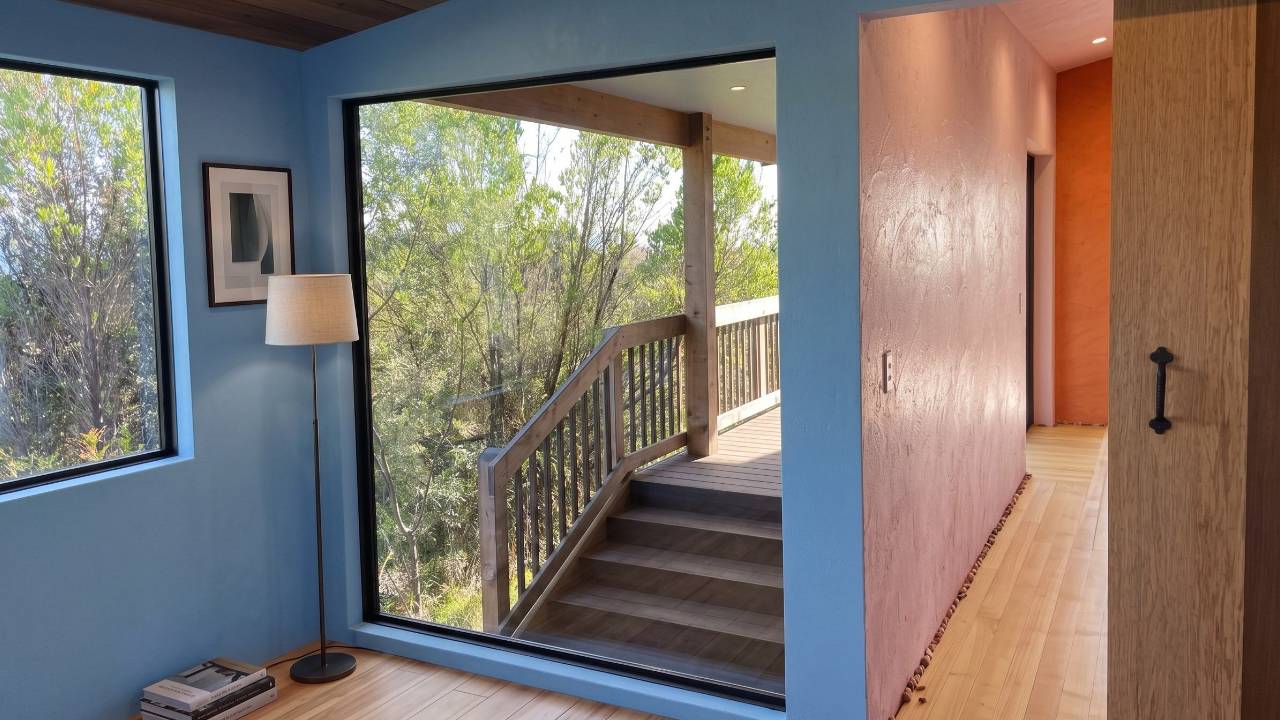
Timber has always been one of New Zealand's greatest natural resources. It is renewable, versatile, strong and well suited to our climate. Yet many homeowners still assume imported timber products offer better quality or greater value.
In reality, choosing locally sourced New Zealand timber can reduce construction costs, shorten building programmes and create homes that are both beautiful and environmentally responsible.
At Stephan Meijer Architecture, we encourage clients to consider local timber wherever practical. Not only does it support the New Zealand economy, but it often delivers significant savings throughout the entire life of the project.
Lower Material Costs
Imported timber products often include hidden costs such as:
- International freight
- Shipping delays
- Currency fluctuations
- Import duties
- Additional transport within New Zealand
Locally grown timber avoids many of these expenses.
Whether you're building in Nelson, Tasman or elsewhere in New Zealand, sourcing timber closer to your project generally means lower transport costs and more stable pricing.
Those savings can quickly add up across framing, cladding, decking, flooring and interior finishes.
Shorter Lead Times
Waiting for imported materials can delay an entire building project.
If structural timber or cladding arrives weeks late, builders may have to stop work, increasing labour costs and extending the construction programme.
Locally available timber is usually:
- Easier to source
- Faster to replace if required
- Readily stocked by local merchants
- Available in standard sizes
This helps keep projects moving and reduces costly delays.
Timber Designed for New Zealand Conditions
New Zealand-grown timber performs exceptionally well in our environment because it has been selected and processed for local conditions.
Products are designed to withstand:
- High UV exposure
- Coastal climates
- Earthquake loading
- Variable temperatures
- High rainfall
- Strong winds
Using materials developed specifically for New Zealand often results in better long-term durability and lower maintenance costs.
Support Local Forestry and Communities
Choosing locally sourced timber supports an industry that employs thousands of New Zealanders.
Every purchase helps support:
- Forest owners
- Local sawmills
- Timber processors
- Transport companies
- Merchants
- Builders and tradespeople
Keeping more of your building budget within New Zealand strengthens local businesses and regional communities.
Lower Carbon Footprint
Timber is already one of the most sustainable structural materials available.
Trees absorb carbon dioxide as they grow and continue storing carbon throughout the life of the building.
When that timber is sourced locally, the environmental benefits increase further because there is less transport involved.
Compared with imported products, locally sourced timber generally has:
- Lower transport emissions
- Less packaging waste
- Reduced embodied carbon
- Smaller environmental impact
For homeowners wanting a more sustainable home, locally grown timber is an excellent choice.
Beautiful Natural Finishes
New Zealand timbers are valued around the world for their appearance.
Depending on your project, locally sourced species can create warm and timeless interiors or striking exterior finishes.
Popular choices include:
- Radiata Pine
- Douglas Fir
- Macrocarpa
- Cypress
- Eucalyptus (selected applications)
Each species offers different characteristics, allowing architects to match timber selection with the home's design, exposure and budget.
Reduce Waste Through Better Design
Saving money isn't just about buying cheaper timber.
The greatest savings come from designing homes that use timber efficiently.
An experienced architect can reduce waste by:
- Designing to standard timber lengths
- Simplifying roof structures
- Reducing unnecessary structural complexity
- Coordinating framing layouts
- Minimising cutting waste
- Optimising sheet material sizes
Small efficiencies across an entire home can save thousands of dollars in both materials and labour.
Local Timber Can Increase Property Value
Natural timber continues to be highly desirable in residential architecture.
Well-designed timber homes often appeal to buyers because they offer:
- Warm, natural interiors
- Timeless aesthetics
- Sustainable construction
- High-quality craftsmanship
- Reduced environmental impact
Choosing quality local timber can therefore add long-term value as well as reducing construction costs.
Work With Local Suppliers
One advantage of using locally sourced timber is the opportunity to build relationships with nearby suppliers and sawmills.
Local suppliers can often provide:
- Advice on suitable species
- Custom milling
- Better availability
- Faster delivery
- Replacement materials when required
Working closely with local suppliers also allows architects and builders to select products that best suit the project rather than relying solely on imported alternatives.
Good Architecture Makes Timber Work Harder
The most economical homes are not necessarily those built with the cheapest materials.
They are the homes where every material has been used efficiently.
At Stephan Meijer Architecture, we carefully consider:
- Structural efficiency
- Timber optimisation
- Material durability
- Future maintenance
- Construction simplicity
- Long-term performance
By combining thoughtful design with locally sourced timber, we help clients reduce waste, improve sustainability and create homes that stand the test of time.
Final Thoughts
Using locally sourced timber is one of the smartest decisions you can make when building a new home in New Zealand.
It can reduce transport costs, improve supply reliability, lower your home's embodied carbon and support local industries—all while creating warm, durable and beautiful spaces.
Combined with intelligent architectural design, locally sourced timber helps ensure your building budget is spent where it delivers the greatest value.
At Stephan Meijer Architecture, we believe that sustainable design and cost-effective design go hand in hand. Selecting the right timber at the start of your project is one of the simplest ways to build smarter.
Frequently Asked Questions
Is locally sourced timber cheaper than imported timber?
In many cases, yes. Lower freight costs, shorter lead times and better local availability often make New Zealand-grown timber more cost-effective overall.
What are the best locally grown timbers in New Zealand?
Radiata Pine is widely used for structural framing, while Douglas Fir, Macrocarpa and Cypress are popular for exposed structural elements, cladding and feature applications, depending on the project.
Is New Zealand timber sustainable?
Yes. Timber from responsibly managed New Zealand forests is a renewable resource and stores carbon throughout its life, making it one of the most environmentally friendly building materials available.
Can local timber be used in modern architectural homes?
Absolutely. Modern homes often feature locally sourced timber for framing, cladding, ceilings, interior linings and exposed structural elements, creating a warm and contemporary aesthetic.
Does an architect help reduce timber waste?
Yes. An experienced architect can design around standard timber sizes, simplify structural layouts and optimise framing to minimise waste, reduce labour and lower overall construction costs.
Build Smarter with Local Timber
If you're planning a new home in Nelson, Richmond, Motueka, Mapua or anywhere in the Tasman region, Stephan Meijer Architecture can help you make informed decisions about timber selection and efficient design.
By combining locally sourced timber with thoughtful architectural planning, we create homes that are cost-effective, sustainable and built to last for generations.
Categories
All Categories