
How Good Architecture Saves You Money When Building a Home in New Zealand
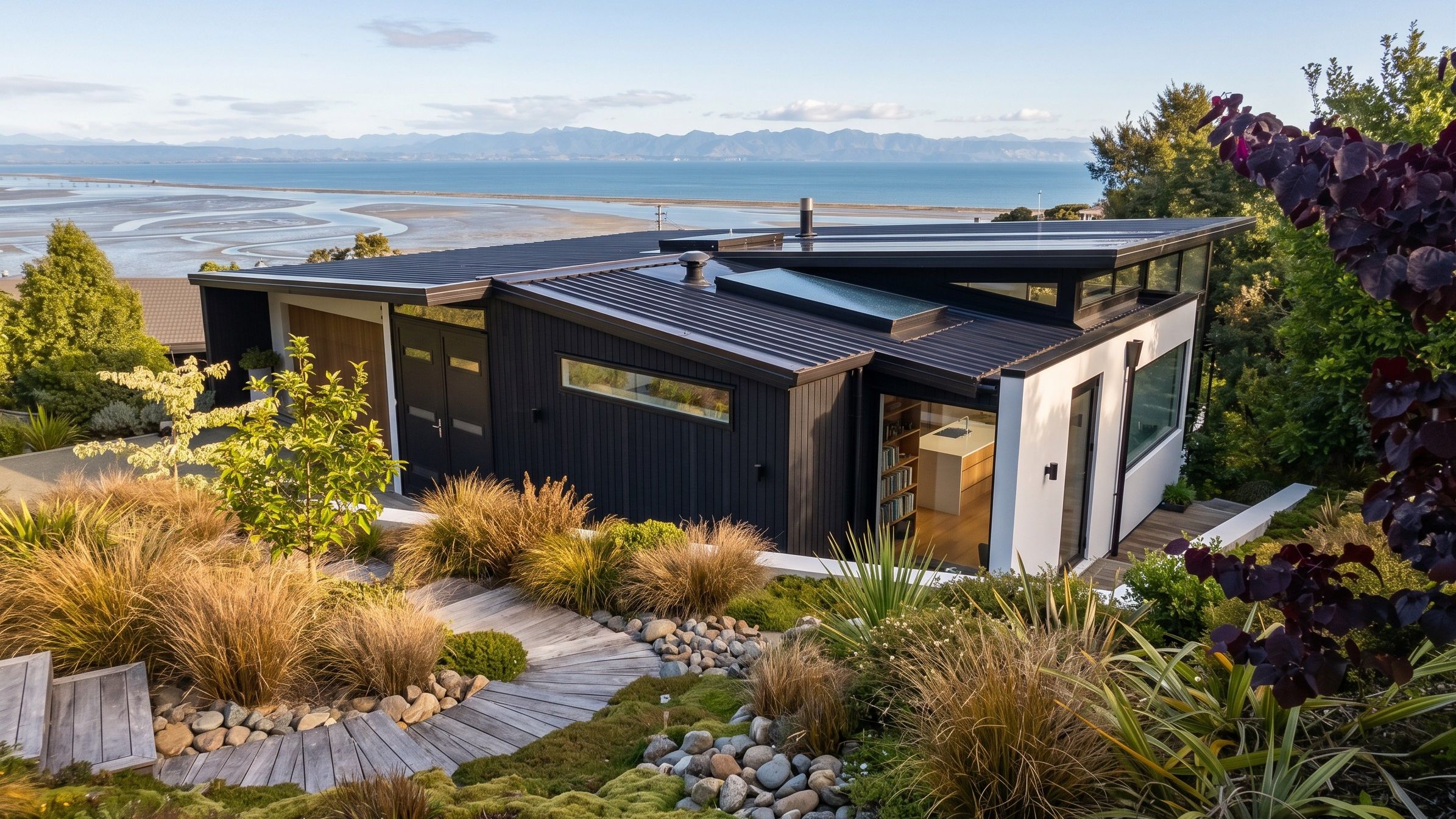
How Good Architecture Saves You Money When Building a Home in New Zealand
One of the biggest myths in residential construction is that architects make projects more expensive.
It is easy to understand why. An architect's fee is visible in the project budget, while the savings created through good design are often hidden.
The reality is that good architecture is one of the best investments you can make when building a home.
A well-designed home is not about spending more money. It is about spending your budget wisely—eliminating unnecessary costs while creating a home that is more comfortable, more efficient and worth more in the future.
At Stephan Meijer Architecture, we believe every dollar should work harder. Thoughtful design can reduce construction costs, minimise waste and create long-term savings that continue for decades.
Around 80% of Your Building Costs Are Determined During Design
Many homeowners think costs are controlled once construction begins.
In reality, most of your project's cost is locked in during the design phase.
Decisions such as:
-
The overall size of the home
-
The roof shape
-
Structural spans
-
Foundation design
-
Window sizes
-
Room layout
-
Building orientation
-
Material selections
all have a direct impact on construction costs.
Changing these items during design is relatively easy.
Changing them once construction has started can be extremely expensive.
Simpler Homes Cost Less to Build
Complex buildings generally cost more.
Every extra corner, roof junction, level change and structural beam increases labour and material costs.
Good architecture focuses on simplicity without sacrificing quality.
Examples include:
-
Simple roof forms
-
Efficient structural layouts
-
Logical room planning
-
Standardised construction dimensions
-
Reduced structural complexity
A simple building is usually:
-
Faster to build
-
Easier to weatherproof
-
Less expensive to maintain
-
More energy efficient
-
More durable
Good design removes unnecessary complexity while maintaining a beautiful appearance.
Smaller Can Often Be Better
Many people assume that a larger home offers better value.
However, every additional square metre comes with ongoing costs.
A larger home requires:
-
More concrete
-
More framing
-
More roofing
-
More insulation
-
More cladding
-
More flooring
-
More plasterboard
-
More paint
-
Larger heating systems
Instead of simply increasing floor area, an architect can improve how efficiently the space is used.
Better layouts often make a smaller home feel significantly larger.
You pay for quality rather than unnecessary quantity.
Designing for Your Site Saves Thousands
Every site is different.
Trying to force a standard house onto a difficult section often creates unnecessary costs.
A site-specific architectural design responds to:
-
Natural contours
-
Sunlight
-
Prevailing winds
-
Views
-
Existing vegetation
-
Access
-
Drainage
-
Soil conditions
For sloping sites common throughout Nelson and Tasman, thoughtful design can significantly reduce earthworks, retaining walls and excavation costs.
Rather than fighting the land, good architecture works with it.
Passive Solar Design Reduces Energy Bills
One of the biggest long-term savings comes from lower running costs.
A home designed to capture winter sun and control summer heat naturally requires less mechanical heating and cooling.
Passive solar design considers:
-
Northern orientation
-
Window placement
-
Roof overhangs
-
Thermal mass
-
Insulation
-
Airtightness
-
Natural ventilation
Although these strategies are incorporated during design, they can reduce energy costs for the life of the home.
Better Documentation Means Fewer Variations
Construction variations are one of the biggest causes of budget blowouts.
Many occur because information is missing or unclear.
Comprehensive architectural documentation provides builders with clear information before construction begins.
This reduces:
-
Assumptions
-
Errors
-
Rework
-
Delays
-
Disputes
-
Unexpected costs
Good documentation also allows builders to price the project more accurately during tendering.
Helping You Choose the Right Materials
The most expensive product is not always the best.
An architect understands where premium materials add genuine value and where more cost-effective alternatives will perform just as well.
This allows you to invest your budget where it matters most.
For example:
-
Higher-quality windows may reduce heating costs.
-
Durable cladding may lower maintenance.
-
Efficient structural design may reduce steel requirements.
-
Carefully selected finishes can provide excellent value without compromising appearance.
Reducing Waste During Construction
Efficient planning reduces waste.
By designing around standard material sizes and coordinating structural elements early, less material ends up in skips.
This benefits both your budget and the environment.
Examples include:
-
Efficient framing layouts
-
Optimised sheet sizes
-
Standard joinery dimensions
-
Reduced offcuts
-
Simplified roof geometry
Small efficiencies across the project can result in significant savings.
A Well-Designed Home Is Worth More
The financial benefits do not end when construction is complete.
Homes that are well designed often achieve stronger resale values because buyers recognise:
-
Better layouts
-
Higher comfort
-
Quality construction
-
Energy efficiency
-
Natural light
-
Functional living spaces
-
Attractive street appeal
Good architecture adds value that extends well beyond the initial construction cost.
The Cheapest Design Is Rarely the Cheapest Home
Trying to save money by reducing design fees can often lead to higher construction costs.
Poor planning may result in:
-
Inefficient layouts
-
Expensive structural solutions
-
More variations
-
Higher maintenance
-
Increased energy use
-
Lower resale value
The true cost of a home is not simply what it costs to build.
It includes decades of heating, maintenance, repairs and everyday living.
Good architecture considers the whole-life cost of the building—not just the construction contract.
Why Work with Stephan Meijer Architecture?
Every project begins with one simple goal:
To create the best possible home within your available budget.
At Stephan Meijer Architecture, we work with homeowners throughout Nelson, Tasman, Motueka, Richmond and the wider Top of the South to create homes that balance beauty, functionality and value.
Our approach focuses on:
-
Efficient, cost-conscious design
-
Passive solar principles
-
Site-specific architecture
-
Practical construction detailing
-
Long-term durability
-
Healthy, energy-efficient homes
-
Clear documentation for accurate builder pricing
We believe great architecture isn't about spending more—it is about making smarter decisions from the very beginning.
Ready to Build Smarter?
If you're planning a new home or renovation, investing in good architectural design could save you far more than it costs.
Contact Stephan Meijer Architecture to discuss your project and discover how thoughtful design can help you build a home that is beautiful, efficient and delivers lasting value for years to come.
