
Building a New Home in Nelson Tasman: A Homeowner's Complete Guide
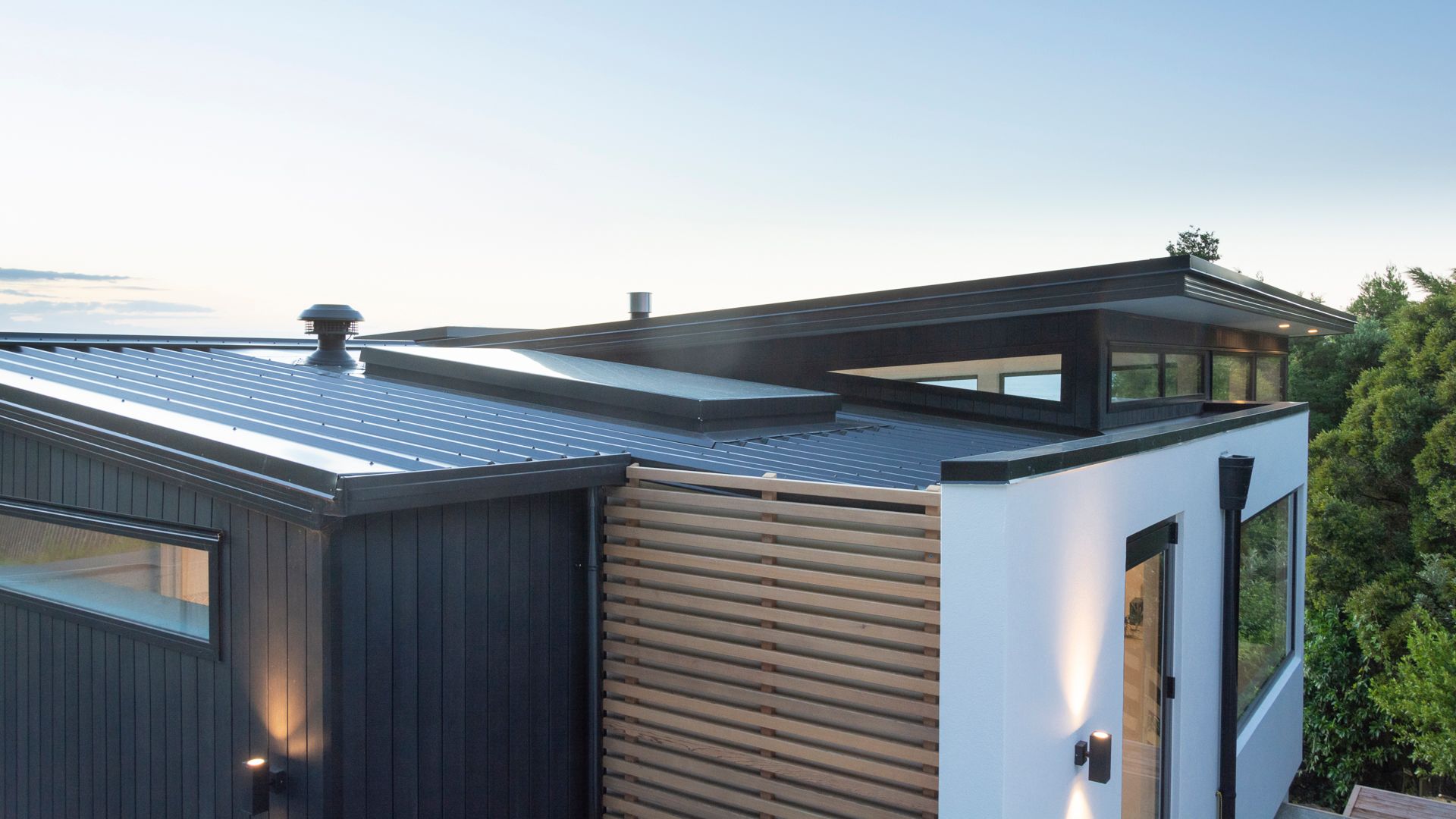
Building a New Home in Nelson Tasman: A Homeowner's Complete Guide
Building a new home is one of the most significant investments most people will ever make. Whether you're planning a custom family home, developing a lifestyle block, or exploring sustainable design options, the decisions made in the early stages of your project can have a lasting impact on how your home performs, feels, and functions for decades to come.
The Nelson Tasman region offers an exceptional setting for residential architecture. From coastal locations and hillside sites to rural lifestyle properties and established urban neighbourhoods, the region presents unique opportunities—and challenges—that deserve careful consideration.
Many homeowners begin their journey focused on floor plans, finishes, or construction costs. While these elements are important, the most successful projects start with a deeper understanding of the site, climate, lifestyle requirements, and long-term goals.
In this guide, we'll explore the key considerations involved in building a new home in Nelson Tasman, helping you make informed decisions and avoid common mistakes throughout the process.
Why Build in Nelson Tasman?
Few regions in New Zealand offer the combination of lifestyle, climate, and natural beauty found in Nelson Tasman.
Known for having some of the highest sunshine hours in the country, the region provides excellent opportunities for outdoor living and energy-efficient home design. The diverse landscape includes coastal environments, rolling hills, rural valleys, and lifestyle properties with spectacular views.
For many homeowners, the appeal lies in the balance between accessibility and connection to nature. Residents enjoy proximity to beaches, national parks, wineries, walking trails, and vibrant local communities.
From an architectural perspective, Nelson Tasman offers opportunities to create homes that respond thoughtfully to their surroundings. Well-designed homes can capture views, maximise natural light, provide shelter from prevailing winds, and establish strong connections between indoor and outdoor spaces.
As demand for quality housing continues to grow throughout the region, investing in a well-designed home can also contribute to long-term property value and liveability.
Choosing the Right Site
A successful home begins with a thorough understanding of the site.
Many homeowners fall in love with a piece of land based on its location or views alone. While these factors are important, a range of other considerations can significantly influence design possibilities, construction costs, and long-term comfort.
Orientation and Sunlight
In New Zealand, solar orientation plays a crucial role in home performance. A site that allows primary living areas to face north can maximise winter solar gain and reduce reliance on artificial heating.
Understanding how sunlight moves across the site throughout the year can help determine the optimal location and arrangement of living spaces, outdoor areas, and glazing.
Wind Exposure
Different parts of Nelson Tasman experience varying wind conditions. Coastal sites, ridge-top locations, and elevated rural properties often require careful consideration of prevailing winds.
A well-designed home can provide protection from unwanted weather while maintaining access to sunlight and views.
Views and Privacy
Views often influence purchasing decisions, but preserving those views while maintaining privacy requires thoughtful planning.
Strategic placement of windows, outdoor spaces, landscaping, and building forms can help achieve a balance between outlook and privacy.
Access and Services
Access to utilities, road connections, water supply, wastewater systems, and telecommunications can have a significant impact on project feasibility and cost.
This is particularly important for rural and lifestyle block developments where infrastructure requirements may be more complex.
Site Topography
Steeply sloping sites can create stunning architectural opportunities, but they often require additional engineering, earthworks, and construction considerations.
A detailed site analysis early in the design process can identify opportunities and constraints before significant costs are incurred.
The Importance of Good Architectural Design
Good architecture is about much more than appearance.
A thoughtfully designed home responds to the way people live, supports daily routines, and creates spaces that feel comfortable and enjoyable throughout the year.
Long-Term Value
A well-designed home often delivers value beyond its initial construction cost. Good design can improve functionality, increase energy efficiency, reduce maintenance requirements, and enhance resale appeal.
Functionality
Every household has unique requirements. The design process should consider how occupants move through the home, interact with different spaces, and adapt to changing needs over time.
Careful planning can improve storage, circulation, natural light, and flexibility.
Lifestyle Outcomes
Architecture has the ability to shape everyday experiences.
Whether it's creating a seamless connection to outdoor living areas, capturing morning sunlight in the kitchen, or providing quiet spaces for work and relaxation, thoughtful design contributes directly to quality of life.
Sustainability and Energy Efficiency
Sustainable design principles can improve comfort while reducing energy consumption and operating costs.
Many design decisions that improve environmental performance also contribute to healthier indoor environments and long-term resilience.
Designing for Nelson's Climate
Nelson's climate provides excellent opportunities for passive environmental design.
Rather than relying heavily on mechanical heating and cooling systems, passive design strategies work with natural conditions to improve comfort year-round.
Passive Solar Design
North-facing glazing can help capture winter sunlight and warm internal spaces naturally.
Effective passive solar design also includes shading strategies to prevent overheating during summer months.
Natural Ventilation
Cross-ventilation can significantly improve indoor comfort during warmer periods.
Window placement, building orientation, and internal layouts all contribute to airflow performance.
Thermal Performance
High-performance insulation, thermally efficient glazing, and careful detailing can improve comfort while reducing energy use.
As building standards continue to evolve, many homeowners are choosing to exceed minimum compliance requirements to achieve better long-term outcomes.
Future Resilience
Climate-responsive design helps homes remain comfortable, durable, and adaptable in changing environmental conditions.
Considering resilience early in the design process can reduce future costs and improve long-term performance.
Building on Lifestyle Blocks
Lifestyle properties are a defining feature of the Nelson Tasman region.
While these sites offer space, privacy, and connection to the landscape, they also introduce unique design and infrastructure challenges.
Site Planning
The location of the home within the broader property can influence views, sunlight access, privacy, access, and future land use.
Careful site planning helps ensure the home sits comfortably within its environment.
Water Supply
Many rural properties rely on rainwater harvesting or private water systems.
Storage requirements, collection methods, and water quality considerations should be integrated into the design process.
Wastewater Systems
Properties without access to municipal wastewater services may require on-site treatment systems.
These systems often influence building placement and site planning decisions.
Access and Infrastructure
Driveways, power supply, telecommunications, and service connections can represent a significant portion of development costs on rural sites.
Understanding these requirements early helps avoid unexpected expenses later.
The Architectural Design Process
Understanding the design process helps homeowners approach their project with greater confidence.
Initial Briefing
The process begins by developing a clear understanding of the client's goals, lifestyle requirements, budget, and aspirations.
This stage forms the foundation for all subsequent design decisions.
Concept Design
Initial concepts explore site opportunities, spatial arrangements, orientation, and architectural character.
Multiple options may be evaluated before refining a preferred direction.
Developed Design
The selected concept is further developed with greater detail and coordination.
Materials, systems, and construction approaches begin to take shape during this phase.
Consent Documentation
Detailed documentation is prepared to support building consent and regulatory approvals.
Clear documentation contributes to smoother approval processes and more accurate construction pricing.
Construction Support
Many architects remain involved throughout construction, assisting with contractor coordination, design clarification, and quality assurance.
Ongoing involvement can help maintain design intent and address issues as they arise.
Understanding Costs and Budget Planning
Budget considerations should be addressed from the earliest stages of a project.
Design Costs
Architectural fees represent an investment in planning, problem-solving, coordination, and risk reduction.
Early design decisions often have a significant influence on total project cost.
Construction Costs
Building costs vary depending on site conditions, design complexity, material selections, and market conditions.
Obtaining realistic cost information throughout the design process helps support informed decision-making.
Hidden Costs
Additional costs may include:
- Site investigations
- Surveying
- Geotechnical assessments
- Engineering
- Council fees
- Utility connections
- Landscaping
Understanding these items early helps avoid budget surprises.
Value Engineering
Effective value engineering focuses on achieving project goals efficiently without compromising design quality.
The objective is not simply to reduce costs, but to allocate resources where they create the greatest value.
Sustainability and Passive Design
Sustainability is increasingly becoming a priority for homeowners throughout Nelson Tasman.
Energy Efficiency
Reducing energy demand through orientation, insulation, glazing performance, and passive design strategies can improve comfort and lower operating costs.
Healthy Homes
Good design supports healthy indoor environments through natural light, ventilation, moisture management, and thermal comfort.
Material Selection
Material choices influence durability, environmental impact, maintenance requirements, and indoor air quality.
Selecting appropriate materials can contribute to both sustainability and long-term performance.
Long-Term Savings
While some sustainable features may involve higher initial investment, they often deliver ongoing savings through reduced energy consumption and maintenance costs.
Common Mistakes Homeowners Make
Choosing Plans Before Understanding the Site
A design that works well on one site may perform poorly on another.
Site-specific design generally delivers better outcomes than adapting generic plans.
Underestimating Budget Requirements
Construction costs, consultant fees, infrastructure, and regulatory requirements all contribute to total project expenditure.
Comprehensive planning helps establish realistic expectations.
Poor Orientation
Failing to consider sunlight, shading, and climate conditions can result in reduced comfort and higher energy consumption.
Skipping Professional Advice
Early professional input can identify opportunities, reduce risks, and prevent costly mistakes later in the project.
Why Work With a Local Architect?
Local knowledge can make a significant difference to the success of a residential project.
An architect familiar with Nelson Tasman understands the region's climate, topography, planning requirements, and construction environment.
This knowledge can inform better design decisions, improve project efficiency, and help navigate site-specific challenges.
Established relationships with local consultants, engineers, contractors, and authorities often contribute to smoother project delivery.
Local experience also provides valuable insight into regional building traditions, environmental conditions, and opportunities for site-responsive design.
For homeowners, working with a local architect means partnering with someone who understands not only the technical aspects of design but also the unique characteristics that make Nelson Tasman such a desirable place to live.
Conclusion
Building a new home in Nelson Tasman is an exciting opportunity to create a place that reflects your lifestyle, values, and long-term aspirations.
From selecting the right site and understanding the design process to considering sustainability, climate responsiveness, and budget planning, early decisions play a crucial role in shaping the success of the project.
A thoughtful, site-responsive approach can help maximise comfort, improve energy efficiency, enhance long-term value, and create a home that feels connected to its environment.
Thinking About Building a New Home in Nelson or Tasman?
Whether you're planning a custom home, developing a lifestyle block, or exploring sustainable design options, starting with the right advice can save time, money, and stress.
Stephan Meijer Architecture Ltd works closely with homeowners throughout Nelson and Tasman to create thoughtful, site-responsive homes designed for the way people live.
If you're considering a new home project, we'd be happy to discuss your ideas and help you understand the opportunities for your site.
FAQ Section
Frequently Asked Questions About Building a New Home in Nelson Tasman
How much does it cost to build a new home in Nelson Tasman?
Building costs vary depending on site conditions, design complexity, materials, and market conditions. Rural and sloping sites often require additional infrastructure and engineering work, which can influence the overall budget.
When should I engage an architect for a new home project?
The ideal time is before purchasing land or as early as possible in the planning process. Early architectural input can help identify opportunities, constraints, and potential costs before significant commitments are made.
What are the benefits of working with a local architect in Nelson Tasman?
A local architect understands regional climate conditions, council requirements, site challenges, and local construction practices. This knowledge can help create better-performing homes and streamline the design and approval process.
Is passive solar design suitable for homes in Nelson Tasman?
Yes. Nelson's high sunshine hours make passive solar design highly effective. Proper orientation, glazing placement, shading, and insulation can significantly improve comfort and energy efficiency.
What should I consider before buying a lifestyle block?
Important considerations include access, water supply, wastewater solutions, power connections, site topography, wind exposure, solar access, and potential building platforms.
Do I need building consent for a new home?
Yes. Most new residential buildings require building consent and must comply with the New Zealand Building Code. Additional planning requirements may also apply depending on the site.
Can a well-designed home reduce long-term energy costs?
Absolutely. Good architectural design, efficient building envelopes, passive solar principles, and quality materials can reduce heating and cooling requirements while improving comfort.
How long does the architectural design process take?
Every project is different, but the process typically includes briefing, concept design, developed design, documentation, consent approvals, and construction support. Project complexity and approval requirements influence timelines.
