
The Future of Home Design in New Zealand (2026): 7 Trends Every Homeowner Should Know
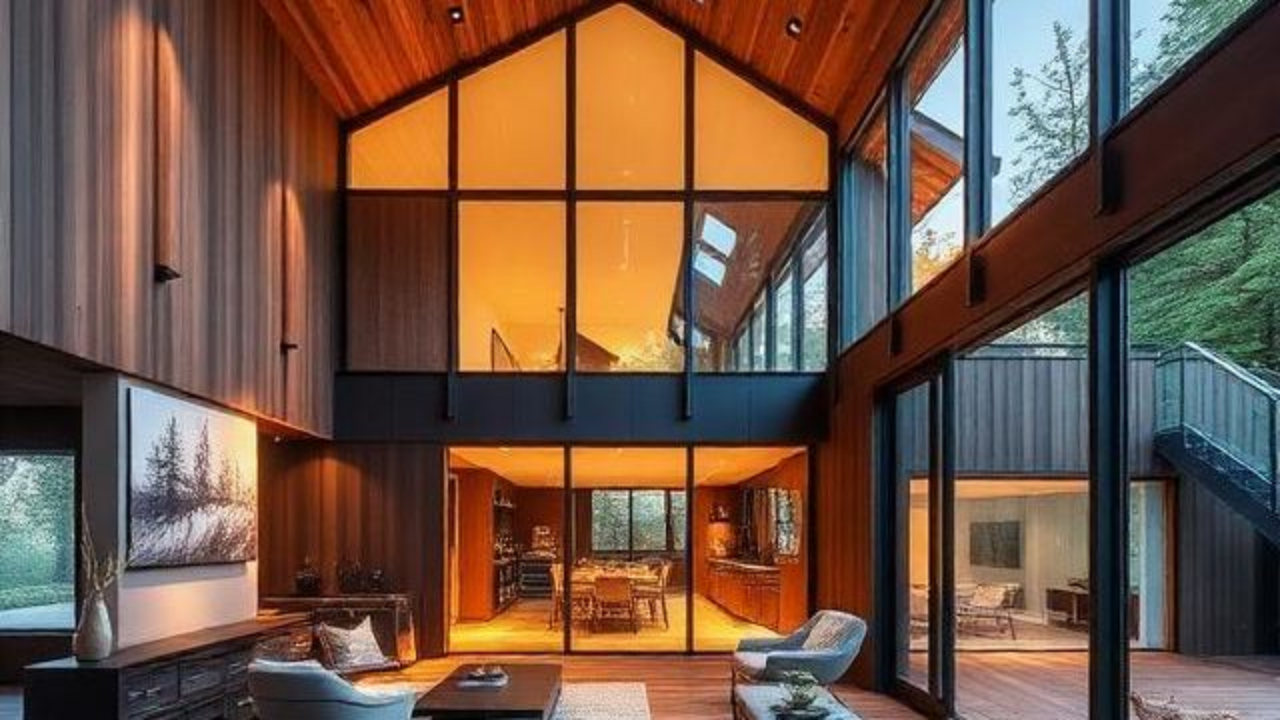
If you’re planning to build or renovate in New Zealand, 2026 is shaping up to be one of the most exciting (and complex) years in residential architecture.
From passive solar design to AI-driven layouts, homeowners are no longer just building houses—they’re creating high-performance, future-proof homes.
Here are the 7 biggest architecture trends we’re seeing right now—and what they mean for your project.
1. Net-Zero Homes Are Becoming the Standard
Gone are the days when “energy-efficient” was optional.
In 2026, homes are being designed to:
-
Generate as much energy as they use
-
Maximise solar orientation
-
Use high-performance insulation + airtight construction
Architects are now integrating passive solar design, heat recovery ventilation, and on-site renewables from day one
👉 What this means for you:
Lower running costs + higher resale value + compliance with future regulations.
2. Passive Design is Driving Layout Decisions
Design is no longer just about aesthetics—it’s about performance.
Key design moves include:
-
Orienting living spaces north (in NZ context)
-
Deep eaves for summer shading
-
Thermal mass for heat retention
👉 This is especially critical for:
-
Sloping sites
-
Rural properties
-
Coastal builds (like Nelson/Tasman region)
3. Wellness-Focused Homes (The “Healthy House” Trend)
Homes are now being designed around how you feel, not just how they look.
Emerging features:
-
Natural light optimisation
-
Clean indoor air systems
-
Acoustic comfort
-
Non-toxic materials
This aligns with the rise of “invisible wellness” and longevity homes, where health is built into the structure itself
👉 Client insight:
Buyers are increasingly prioritising homes that improve sleep, mood, and overall wellbeing.
4. Warm, Natural Interiors Replace Cold Minimalism
The “white and grey box” is out.
2026 interiors focus on:
-
Warm neutrals and natural textures
-
Timber, stone, and tactile finishes
-
Soft minimalism instead of stark minimalism
This shift reflects a move toward homes that feel calm, lived-in, and timeless
👉 Design takeaway:
Material selection is now just as important as floor plan.
5. Flexible Spaces (Homes That Adapt With You)
Modern homes are no longer single-purpose.
We’re designing spaces that:
-
Double as home offices
-
Include wellness zones or reading areas
-
Adapt over time (kids → guests → workspaces)
Flexible layouts are now a core design requirement, not a luxury
👉 Smart move:
Design for the next 10–20 years, not just today.
6. AI is Changing How Homes Are Designed
AI is rapidly transforming architecture workflows.
We now use tools to:
-
Test multiple design options instantly
-
Optimise sunlight, energy, and layout
-
Visualise concepts faster for clients
AI is shifting architects from “designers” to strategic problem-solvers
👉 For clients:
Better design outcomes, faster decision-making.
7. Climate-Resilient & Site-Specific Design
With increasing climate risks, homes must respond to their environment.
Key strategies:
-
Elevated structures (flood-prone areas)
-
Wind-resilient forms
-
Fire-conscious materials
-
Water management systems
There’s also a strong move toward:
-
Reusing existing structures
-
Designing in harmony with local climate
👉 In NZ context:
This is critical for coastal, rural, and bush-edge properties.
What This Means for Your Project
The biggest shift in 2026 is this:
👉 Architecture is no longer just about building a house.
It’s about designing a high-performing system for living.
Clients who engage an architect early benefit from:
-
Better site utilisation
-
Lower long-term costs
-
Smarter consent outcomes
-
Future-proof design decisions
Thinking About Building or Renovating?
At Stephan Meijer Architecture, we specialise in:
-
Passive solar homes
-
Site-responsive design
-
High-performance, energy-efficient buildings
📩 Get in touch to discuss your project or feasibility—before you commit to plans.
