
How to Make an Existing Home More Energy Efficient | New Zealand Renovation Guide
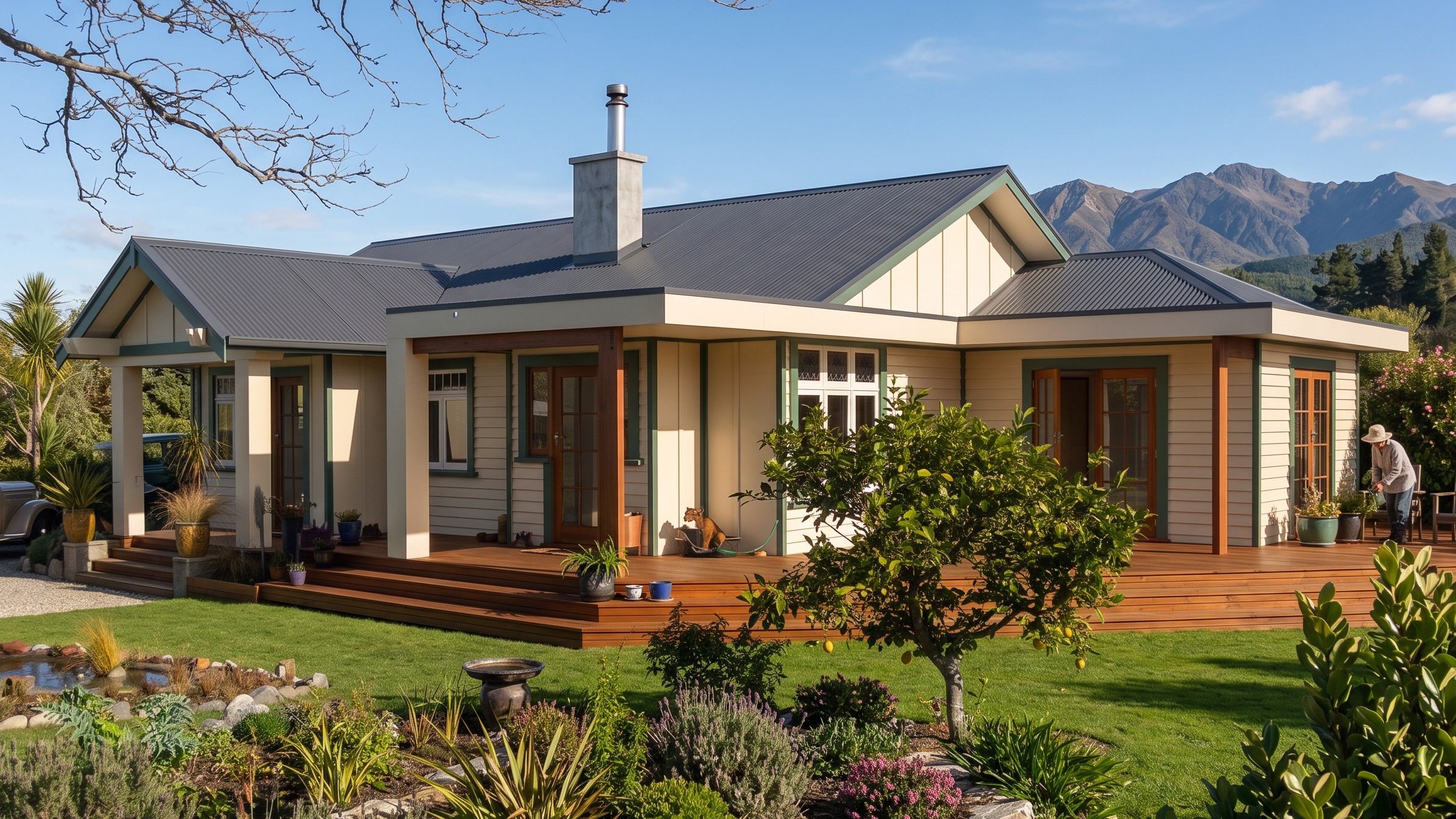
How to Modernise an Existing Home and Make It More Energy Efficient
Many New Zealand homes are full of character, but they often fall short when it comes to comfort and energy efficiency. Cold winters, overheating in summer, condensation on windows and high power bills are common complaints in older homes.
The good news is that you don't always need to build a new home to enjoy modern comfort. With thoughtful planning and strategic upgrades, an older house can be transformed into a warm, healthy and energy-efficient home while also increasing its value.
At Stephan Meijer Architecture, we believe that successful renovations are about much more than replacing kitchens and bathrooms. The greatest improvements come from upgrading the way the house performs while creating spaces that better suit modern living.
Start with a Master Plan
One of the biggest mistakes homeowners make is renovating room by room without considering the house as a whole.
A well-prepared renovation master plan allows you to:
-
Prioritise improvements.
-
Budget more effectively.
-
Avoid redoing work later.
-
Coordinate structural changes.
-
Improve the home's overall performance.
Even if your renovation happens over several years, having an overall strategy often saves significant money in the long run.
Improve the Building Envelope First
Before spending money on expensive heating systems, improve the building itself.
The building envelope includes:
-
Roof
-
Walls
-
Floor
-
Windows
-
Doors
Improving these elements reduces heat loss and creates a home that naturally stays warmer in winter and cooler during summer.
This is often the most cost-effective investment you can make.
Upgrade the Insulation
Many homes built before modern insulation standards have little or no insulation.
Priority should generally be:
Ceiling Insulation
Heat rises, making the ceiling one of the biggest sources of heat loss.
Improving ceiling insulation is usually one of the quickest and most affordable upgrades.
Underfloor Insulation
If your home is elevated on timber piles, insulating beneath the floor can dramatically improve comfort.
Cold floors are one of the biggest contributors to winter discomfort.
Wall Insulation
Adding wall insulation during renovations significantly improves thermal performance.
Although retrofitting wall insulation into an existing home can be more involved, it is often worthwhile when walls are already being opened during renovations.
Upgrade Your Windows
Windows are one of the weakest parts of most older homes.
Replacing old single glazing with modern high-performance glazing can provide:
-
Better thermal insulation
-
Reduced condensation
-
Improved acoustic performance
-
Greater comfort near windows
However, replacing every window is not always necessary.
Sometimes upgrading selected north-facing living areas provides the greatest return on investment.
Improve Airtightness
Older homes often leak large amounts of warm air through:
-
Gaps around windows
-
Doors
-
Floorboards
-
Roof penetrations
-
Wall junctions
Carefully sealing unwanted air leaks improves comfort while reducing heating costs.
It is important, however, to distinguish between airtightness and ventilation.
A home should be airtight enough to prevent uncontrolled heat loss but still receive fresh air through planned ventilation.
Add Mechanical Ventilation
Modern ventilation systems remove stale, moisture-laden air while supplying fresh outdoor air.
Benefits include:
-
Reduced condensation
-
Lower mould risk
-
Healthier indoor air
-
Improved comfort
-
Better energy efficiency
This is particularly valuable in homes that have been upgraded with better insulation and improved airtightness.
Open Up Living Spaces
Many older New Zealand homes were designed with numerous small rooms.
Modern families often prefer:
-
Open-plan kitchens
-
Connected dining areas
-
Better indoor-outdoor flow
-
Flexible family spaces
Removing unnecessary walls (where structurally possible) can dramatically improve how the home functions without greatly increasing its size.
Maximise Natural Light
Natural light transforms the feel of a home while reducing electricity use.
Simple improvements include:
-
Enlarging windows where appropriate.
-
Adding skylights.
-
Installing roof windows.
-
Introducing glazed doors.
-
Improving room layouts to allow light to penetrate deeper into the house.
A brighter home generally feels larger, healthier and more welcoming.
Improve Indoor-Outdoor Living
One of the most valuable improvements in many New Zealand homes is creating stronger connections with outdoor spaces.
This might involve:
-
Larger sliding doors.
-
Covered outdoor entertaining areas.
-
Timber decks.
-
Courtyards.
-
Better landscaping.
Well-designed outdoor spaces effectively increase your usable living area without adding significant floor space.
Consider Passive Solar Design
Even existing homes can benefit from passive solar principles.
Where possible:
-
Position living areas towards the north.
-
Increase northern glazing where appropriate.
-
Add roof overhangs to block high summer sun while allowing winter sun inside.
-
Reduce unnecessary west-facing glazing.
-
Use thermal mass where practical.
These improvements can reduce heating requirements while increasing comfort throughout the year.
Replace Outdated Finishes
While energy efficiency should come first, updating finishes completes the transformation.
Consider:
-
Modern kitchens.
-
Contemporary bathrooms.
-
New flooring.
-
Fresh interior colours.
-
LED lighting.
-
Modern cabinetry.
-
Quality hardware.
These upgrades not only improve everyday living but also increase resale value.
Upgrade Heating and Hot Water
Once the building envelope has been improved, heating systems can often be smaller and more efficient.
Good options include:
-
High-efficiency heat pumps.
-
Wood burners (where appropriate).
-
Underfloor heating in selected areas.
-
Heat pump hot water systems.
-
Solar hot water.
-
Solar photovoltaic panels with battery storage where suitable.
The best heating system is one that supports an already efficient building rather than compensating for poor design.
Improve Moisture Management
Many renovation projects focus on appearance while overlooking moisture.
Good moisture management includes:
-
Proper flashing details.
-
Drainage improvements.
-
Ventilated roof spaces.
-
Vapour control where appropriate.
-
Good bathroom extraction.
-
Kitchen rangehood ventilation.
Managing moisture correctly helps prevent timber decay, mould growth and long-term maintenance issues.
Renovate for the Future
A successful renovation should also anticipate changing needs.
Consider:
-
Step-free access.
-
Wider doorways.
-
Flexible guest rooms.
-
Home offices.
-
Future accessibility.
-
Electric vehicle charging.
-
Solar-ready roofs.
Future-proofing your home today can reduce the need for costly alterations later.
Work With an Architect
Every existing house is different.
A registered architect looks beyond cosmetic improvements to identify opportunities that improve:
-
Comfort
-
Functionality
-
Energy efficiency
-
Natural light
-
Construction cost
-
Long-term value
Many renovation projects become more affordable because unnecessary work is eliminated and investment is directed towards the upgrades that deliver the greatest benefit.
Modern Homes Are About Performance
The most successful renovations don't simply make a house look newer—they make it perform better.
A warm, dry, comfortable home is healthier to live in, cheaper to run and more enjoyable every day.
By combining thoughtful design, better insulation, passive solar principles and carefully selected upgrades, it is possible to transform even an older home into a modern, high-performing home that will serve your family for decades.
Thinking About Renovating?
If you're considering renovating your home in Nelson, Richmond, Motueka, Mapua or the wider Tasman region, we'd love to help.
At Stephan Meijer Architecture, we specialise in designing thoughtful renovations that improve the way homes function, increase energy efficiency and create beautiful spaces that add lasting value.
Whether you're planning a small alteration or a complete transformation, we can help you develop a renovation strategy that maximises your investment and creates a home you'll love living in for years to come.
Contact Stephan Meijer Architecture today to discuss your renovation project and discover how good design can transform your existing home.
