
Building on a Sloping Site in Nelson
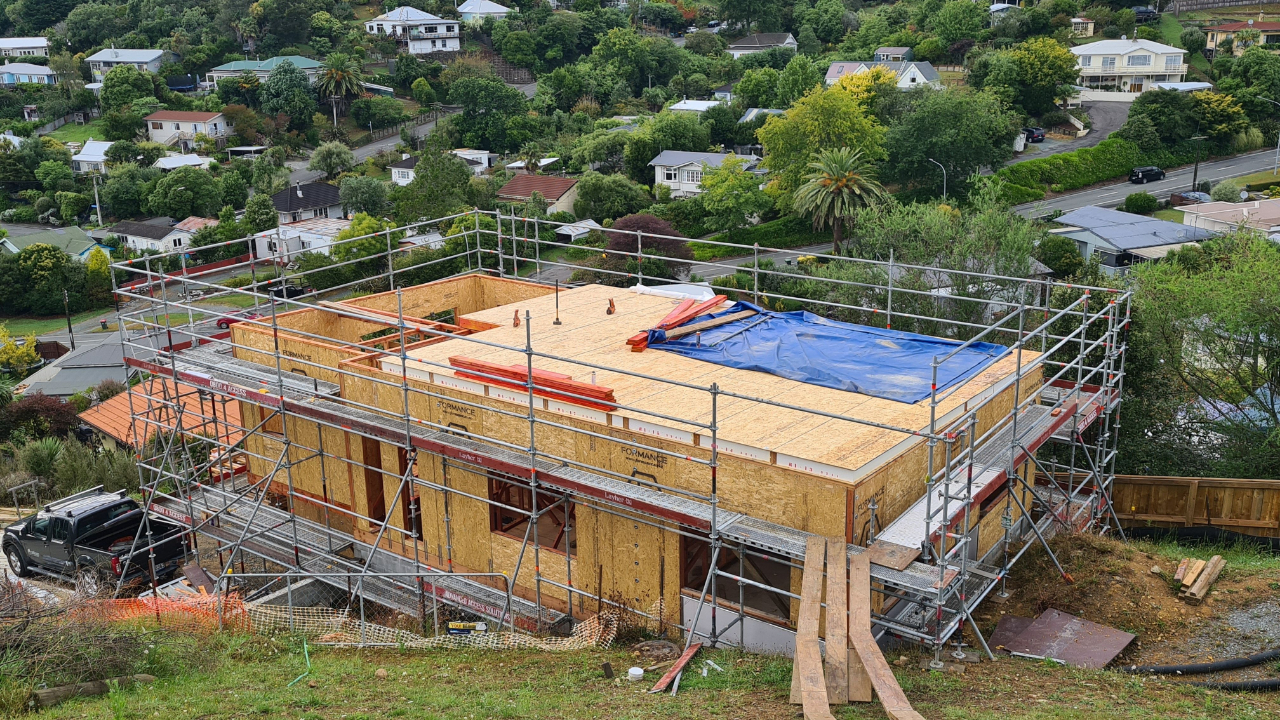
Building on a Sloping Site in Nelson: Opportunities, Challenges and Design Solutions
Building on a Sloping Site in Nelson
Nelson and Tasman are renowned for their stunning coastal landscapes, elevated rural properties, and hillside sections that capture exceptional views and sunshine. While many people initially see a steep site as a challenge, an experienced architect sees opportunity.
Some of the most impressive homes in the Nelson region are built on sloping land. With the right design approach, a hillside site can provide better views, greater privacy, improved solar access, and unique architectural character that simply cannot be achieved on a flat section.
At Stephan Meijer Architecture, we specialise in designing homes that respond to their site rather than fighting against it. Building on a slope requires careful planning, but the rewards can be extraordinary.
Why Build on a Sloping Site?
Many of Nelson's most desirable properties are located on hillsides overlooking the sea, mountains, vineyards, or rural landscapes.
Benefits of sloping sites include:
-
Elevated views
-
Better privacy from neighbouring properties
-
Increased access to sunlight
-
Improved natural ventilation
-
Greater architectural opportunities
-
Potentially lower land purchase costs compared to premium flat sections
When designed well, a hillside home becomes part of the landscape rather than simply sitting on top of it. Split-level designs, large decks, floor-to-ceiling glazing, and dramatic cantilevered forms can transform a challenging site into an exceptional living environment.
Understanding the Challenges
Building on a slope is more complex than building on a flat section. The steeper the site, the more important early planning becomes.
Common challenges include:
Geotechnical Conditions
Before design begins, a geotechnical investigation is often required to understand:
-
Soil stability
-
Groundwater conditions
-
Potential slip risks
-
Foundation requirements
-
Earthworks limitations
Parts of Nelson contain known hillside risk areas where geotechnical assessment is particularly important.
Access
Many hillside sections have steep driveways or limited construction access.
This can affect:
-
Construction costs
-
Foundation design
-
Retaining requirements
-
Material delivery
-
Future vehicle access
Good design considers access from the beginning rather than treating it as an afterthought.
Retaining Walls and Earthworks
One of the largest costs associated with sloping sites is earthworks and retaining.
Excessive excavation can:
-
Increase construction costs
-
Create drainage issues
-
Trigger additional consent requirements
-
Reduce usable outdoor space
An experienced architect will often seek to minimise excavation by designing with the contours rather than against them.
Foundation Complexity
Unlike flat sites where standard concrete slabs may be suitable, sloping sites often require:
-
Pole foundations
-
Timber pile systems
-
Engineered retaining structures
-
Suspended floors
-
Stepped foundations
These systems can increase costs but often provide better long-term performance on challenging terrain.
Designing With the Land
The most successful hillside homes embrace the slope.
Rather than creating a large flat platform, we often recommend designing around the natural contours of the site.
Split-Level Homes
Split-level homes are one of the most effective solutions for sloping sites.
Benefits include:
-
Reduced excavation
-
Lower retaining costs
-
Better integration with the landscape
-
Enhanced spatial experiences
-
Separation between living zones
Split levels can create dramatic internal spaces while reducing the environmental impact of construction.
Raised Floor Construction
In many cases, building above the ground on piles is more economical than extensive cut-and-fill earthworks.
Advantages include:
-
Reduced site disturbance
-
Improved drainage
-
Less excavation
-
Better protection of existing vegetation
-
Greater flexibility during construction
This approach is particularly effective on steep Nelson and Tasman sites.
Capturing Views and Sun
One of the greatest advantages of a sloping site is the opportunity to maximise views and solar gain simultaneously.
Good design considers:
-
Winter sun angles
-
Summer shading
-
Prevailing winds
-
Outdoor living areas
-
Privacy from neighbouring properties
A carefully positioned home can significantly reduce heating requirements while improving year-round comfort.
Managing Costs on a Sloping Site
Many people assume sloping sites are prohibitively expensive. While they do require additional engineering and site-specific design, the cost premium can often be managed through smart architectural decisions.
Strategies include:
-
Minimising retaining walls
-
Reducing excavation volumes
-
Using split-level layouts
-
Building on piles where appropriate
-
Designing efficient structural systems
-
Early collaboration with engineers
The key is to make informed decisions at the beginning of the project rather than trying to solve problems during construction.
Resource Consent and Council Considerations
Depending on the site, additional approvals may be required for:
-
Earthworks
-
Retaining walls
-
Building platforms
-
Accessways
-
Stormwater management
Every site is different, and early assessment can identify potential planning issues before significant design work begins.
A site-specific feasibility assessment is often the best investment a homeowner can make before purchasing or developing a steep section.
Why Work With an Architect?
Sloping sites require a holistic approach that balances:
-
Design
-
Engineering
-
Planning requirements
-
Construction practicality
-
Budget
-
Long-term performance
An architect experienced in hillside design can help uncover opportunities that may not be immediately obvious while avoiding costly mistakes.
The goal is not simply to fit a house onto a difficult site. The goal is to create a home that could only exist on that particular piece of land.
Building Your Nelson Hillside Home
Some of Nelson's most beautiful homes are built on challenging sites. The combination of views, sunlight, privacy, and architectural potential often makes the additional design effort worthwhile.
With careful planning, experienced consultants, and a design-led approach, a sloping section can become one of your property's greatest assets.
If you are considering purchasing a hillside property or already own a sloping site in Nelson or Tasman, early architectural advice can help identify opportunities, reduce risks, and ensure your home works with the land rather than against it.
Considering Building on a Sloping Site?
Stephan Meijer Architecture provides site assessments, feasibility reviews, concept design, resource consent documentation, and building consent documentation throughout the Nelson and Tasman region.
Contact us to discuss your site and discover what is possible.
