
Building on a Lifestyle Block in Nelson Tasman: What You Need to Know Before You Start
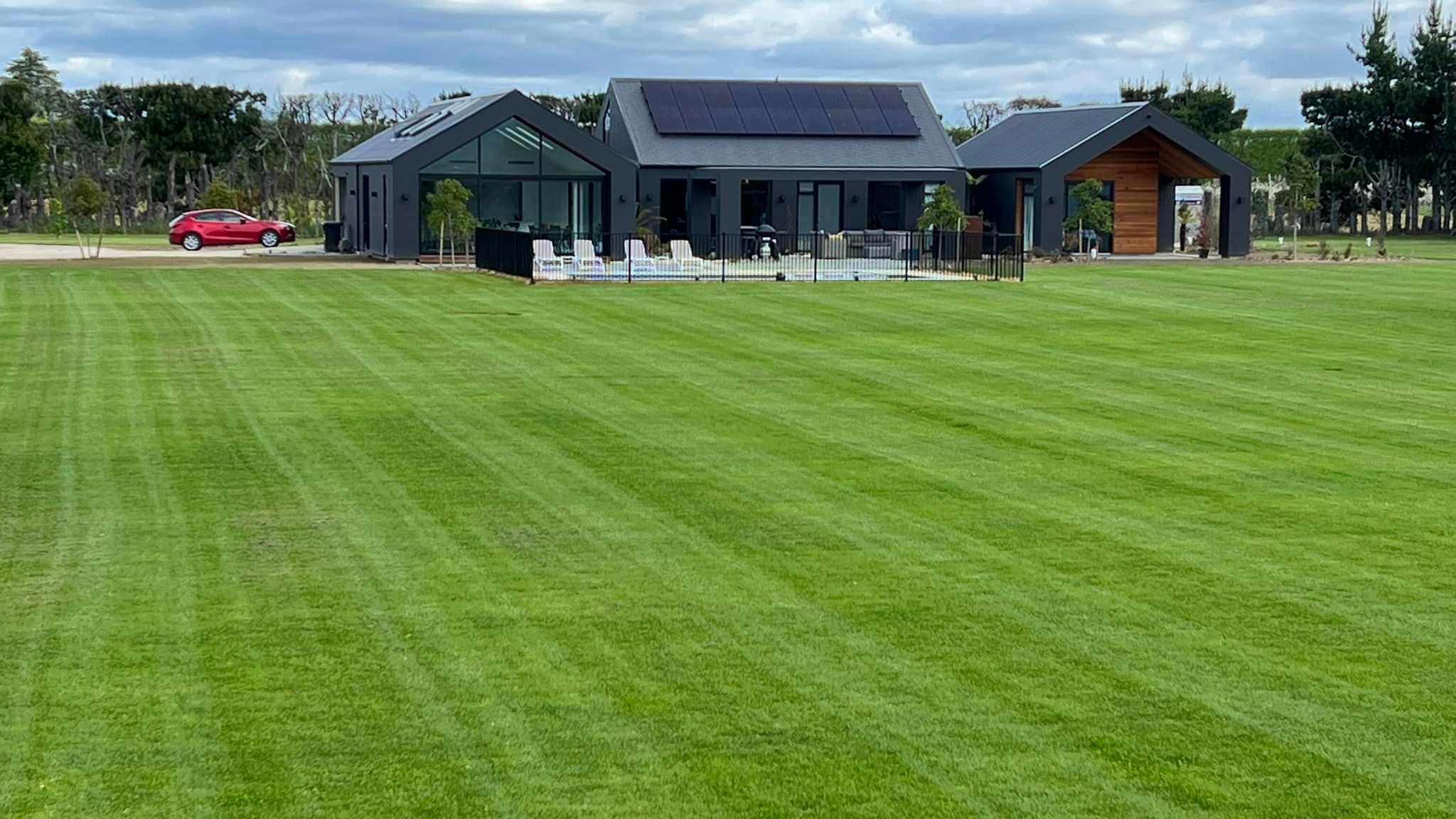
Building on a Lifestyle Block in Nelson Tasman: What You Need to Know Before You Start
The Dream of Rural Living
For many people, owning a lifestyle block is the ultimate New Zealand dream. Space, privacy, stunning views, room for animals, gardens, orchards, and a connection to nature are just some of the reasons lifestyle properties remain highly sought after throughout the Nelson Tasman region.
Areas such as Mapua, Upper Moutere, Lower Moutere, Wakefield, Brightwater, Motueka Valley, Tasman, Dovedale and the surrounding rural districts offer exceptional opportunities to create a home that truly reflects your lifestyle.
However, designing and building on a lifestyle block presents a unique set of opportunities and challenges that differ significantly from building in a suburban subdivision.
As architects working throughout the Nelson Tasman region, we regularly help clients navigate the process of designing homes that respond to the land, climate, views and rural environment while meeting planning and building requirements.
Why Lifestyle Block Homes Require a Different Approach
A lifestyle block provides much greater freedom than a typical urban section, but that freedom comes with additional considerations.
Unlike subdivision lots where services, access and building platforms are often predetermined, rural sites require careful investigation before design work begins.
Important factors include:
-
Site access
-
Vehicle turning areas
-
Water supply
-
Wastewater disposal
-
Power connections
-
Geotechnical conditions
-
Wind exposure
-
Solar orientation
-
Fire risk
-
Building platforms
-
Council planning rules
The most successful rural homes are designed specifically for their site rather than relying on standard house plans.
Choosing the Best Building Location
One of the biggest mistakes we see is positioning a house solely to capture a view.
While views are important, they should be balanced with other factors including:
Sunlight
A house may enjoy spectacular views but suffer from poor solar access.
In the Nelson Tasman region, maximising northern sun exposure can significantly improve comfort and reduce heating costs throughout winter.
Wind Protection
Many elevated rural sites experience strong prevailing winds.
Locating a home where it is naturally sheltered can greatly improve outdoor living spaces and overall comfort.
Earthworks
Large cut-and-fill platforms can dramatically increase construction costs.
Working with the natural contours of the land often results in a more sustainable and cost-effective solution.
Future Development
Consider future sheds, workshops, guest accommodation, gardens, orchards and vehicle access when selecting a building location.
A well-planned site should function effectively for decades to come.
Passive Solar Design on Lifestyle Blocks
Lifestyle blocks often provide ideal conditions for passive solar design because buildings are not constrained by neighbouring houses.
A well-designed passive solar home can:
-
Capture winter sun
-
Reduce heating costs
-
Improve indoor comfort
-
Increase energy efficiency
-
Reduce environmental impact
Key passive solar design principles include:
-
North-facing living areas
-
Appropriate window placement
-
Thermal mass where appropriate
-
Summer shading
-
High-performance insulation
-
Airtight construction
Many rural homes can achieve excellent year-round comfort with significantly reduced energy consumption when these principles are incorporated early in the design process.
Water Supply Considerations
Unlike urban properties, many lifestyle blocks rely on independent water systems.
Common options include:
Rainwater Collection
Many rural homes collect water from roof areas and store it in tanks.
Bore Water
Some properties have access to groundwater through a bore system.
Rural Water Schemes
Certain areas are serviced by community water schemes.
The available water source can influence roof design, tank sizing and overall site planning.
Wastewater Systems
Most rural properties require on-site wastewater treatment.
The suitability of a wastewater system depends on:
-
Soil conditions
-
Site slope
-
Groundwater levels
-
Property size
-
Council requirements
Wastewater design often influences the location of the house, driveways and future landscaping.
Understanding these constraints early can prevent costly redesigns later.
Designing for Rural Views
One of the greatest advantages of a lifestyle block is the opportunity to enjoy stunning rural, mountain, coastal or valley views.
Effective architectural design can frame and enhance these views while maintaining privacy and energy efficiency.
Rather than simply maximising glazing everywhere, successful designs carefully select and frame specific outlooks.
This approach often creates stronger architectural outcomes while improving thermal performance and reducing construction costs.
Access and Driveway Design
Driveway costs are frequently underestimated when purchasing rural land.
Factors affecting driveway costs include:
-
Length
-
Slope
-
Earthworks
-
Culverts
-
Surface materials
-
Stormwater management
Early planning can help minimise these costs and improve long-term functionality.
Vehicle access should also consider:
-
Service vehicles
-
Emergency vehicles
-
Delivery trucks
-
Boats
-
Caravans
-
Farm equipment
Rural Planning Rules and Consents
Lifestyle block development is often subject to specific planning controls.
Depending on the location, these may include:
-
Building setbacks
-
Height restrictions
-
Earthworks limitations
-
Access requirements
-
Natural hazard considerations
-
Productive land protection
-
Landscape overlays
Understanding these requirements before purchasing land or beginning design work can save significant time and expense.
Future-Proofing Your Lifestyle Block
A well-designed rural property should accommodate future needs.
Consider:
-
Home office space
-
Guest accommodation
-
Workshop buildings
-
Solar power systems
-
Electric vehicle charging
-
Food production
-
Ageing in place
Many clients find that investing in thoughtful planning at the beginning creates a property that continues to perform well for many years.
The Value of Site-Specific Design
Every lifestyle block is unique.
The best homes respond directly to:
-
Landform
-
Climate
-
Views
-
Sunlight
-
Wind
-
Access
-
Future aspirations
Rather than forcing a standard plan onto a site, site-specific architectural design can unlock the full potential of a rural property while reducing long-term costs and improving quality of life.
Planning a Lifestyle Block Home in Nelson Tasman?
Whether you are considering purchasing rural land or already own a lifestyle block, early architectural advice can help identify opportunities and avoid costly mistakes.
At Stephan Meijer Architecture Ltd, we work with clients throughout Nelson, Richmond, Mapua, Motueka, Wakefield and the wider Tasman region to design homes that respond to their site, lifestyle and budget.
If you are planning a new lifestyle block home, we would be happy to discuss your project and help you understand the opportunities and constraints of your site before you begin.
